sommplicity
Wine is confusing. Sommplicity isn't.
Your pocket sommelier. Built to make the world of wine feel a little less overwhelming, one daily sip at a time.
Upload a bottle, pair a dish, pick from a wine list.
Just browsing? Explore winesPreview what's inside
Play your way into wine knowledge.
Grape or Place?
8 seconds. Grape, place, or both?
Ask the Sommelier
Pour a question. Pairings, regions, recommendations. Anything wine.
What are you trying to accomplish?
Tell us your goal. We'll get you there.
I need help right now
Instant direction from your sommelier.
I want to build a skill
A plan, tailored to your goal and timeline.
Where would you like to start?
Explore anything. Your companion comes along wherever you go.
The Grapes
Fifty varietals, from the familiar to the obscure. Flavor profiles, tasting notes, and what to pour them with.
Food Pairing
Tell me what you're eating. I'll find the bottle.
Producers
3,600 winemakers across 60 countries.
Daily Sip
One lesson, every morning.
Studying for a Certification?
WSET, CMS, and SWE compared. Flashcards, quizzes, and real study tools.
Daily Quiz
10 questions matched to your level. Timed or untimed study mode. Track your streak and watch your knowledge grow.
Blind Tasting
Guess first. Learn second.
Grape or Place
A quick game. 200+ terms.
Grape Match
Pair grapes to their regions.
Winemaking
From vine to bottle.
Cellar Aging
How wines evolve over time.
Side by Side
Compare regions or grapes directly.
Dinner Rescue
Pairing help on the fly.
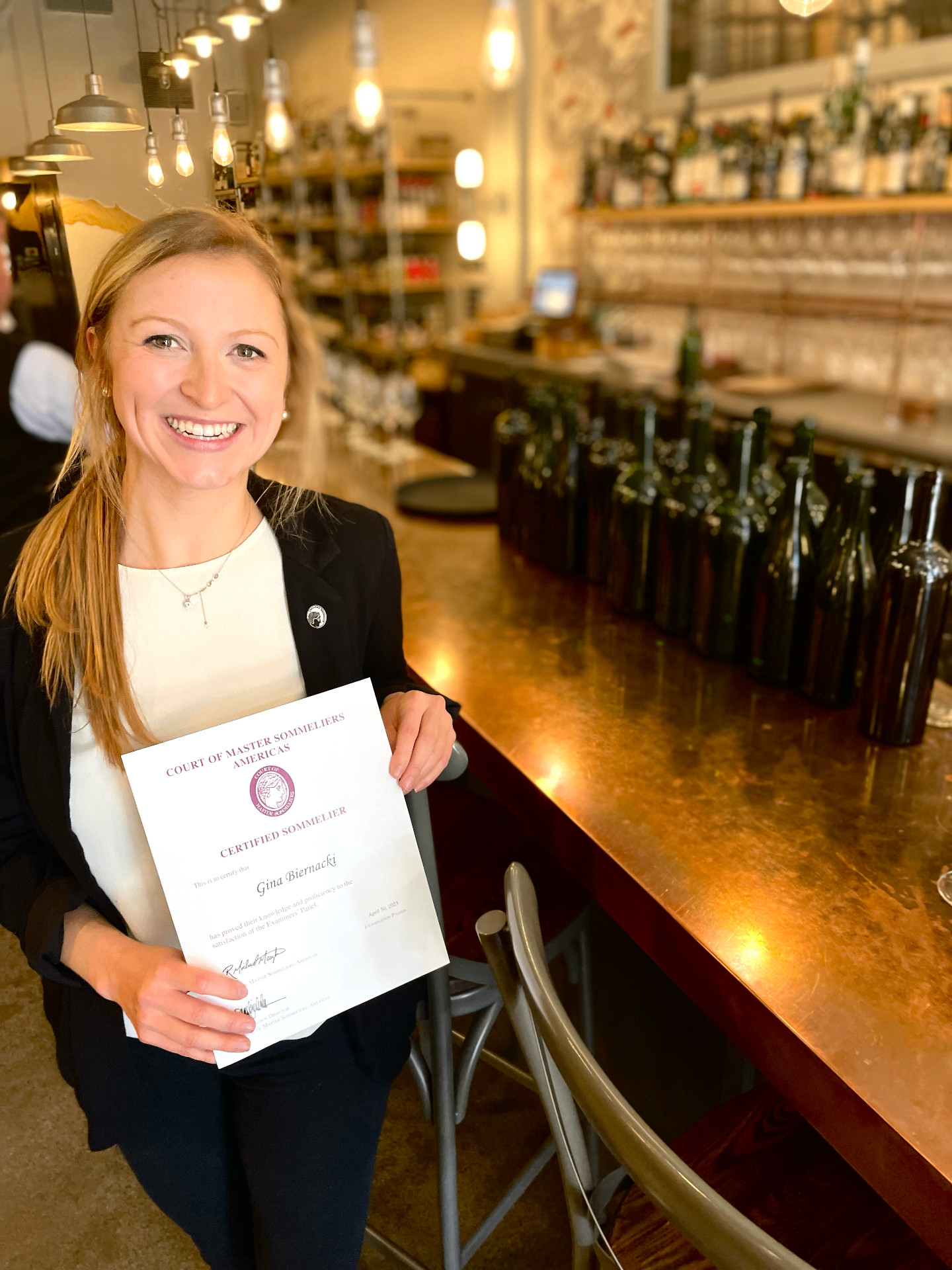
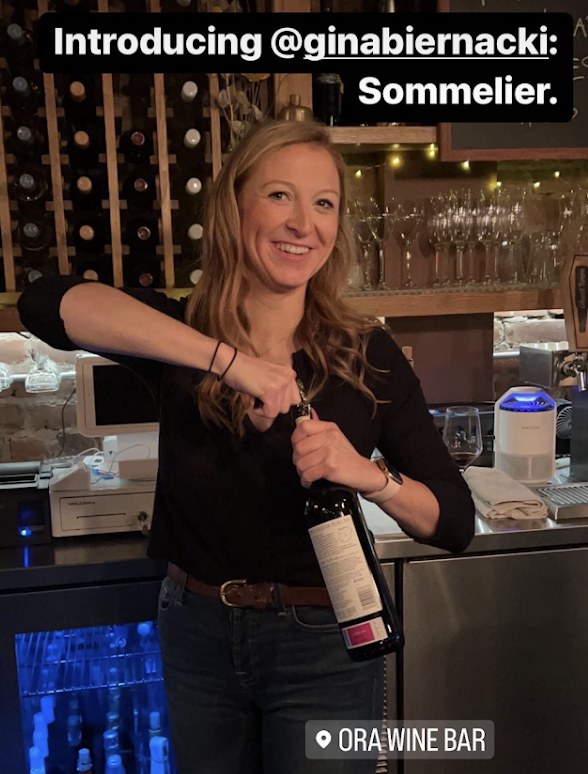
Meet your sommelier, Gina
Certified Sommelier (CMS). WSET Level 3, Distinction. Former Google PM.
Sommplicity is what happens when sommelier expertise meets AI. Every tool on the site is powered by AI and shaped by a real palate. Every recommendation, framework, and data source has been personally tested by me and vetted by industry professionals, so you can trust what you find here.
The goal is simple: meet you wherever you are in your wine journey, from your first bottle to your next certification, and make it feel a little more like yours along the way.
Cheers.
Learn more about Gina →Your pocket sommelier.
One sip at a time.
Cheers.
A wine lesson
every morning.
2 minutes. Sommelier-curated. Tailored to your level.
Get started
Professional Certifications
Find the right path for your wine educationCompare the major certification programs or jump into study tools for your next exam.
 WSET
WSET
 CMS
CMS
 SWE
SWE
Formal Education
The three globally recognized wine certification bodies, side by side.
WSET
Structured & GlobalBest for: Anyone wanting a structured, globally recognized wine education: from beginners to professionals. The most popular wine certification in the world.
The Wine & Spirit Education Trust offers a clear progression from beginner to expert. Heavy emphasis on knowledge, tasting methodology (the Systematic Approach to Tasting), and written exams. Curriculum covers every major region, grape, and winemaking technique.
Level 1
Introduction to wine. One-day course covering basic styles, grapes, and tasting. No prerequisites.
Level 2
Core wine knowledge. Major grapes, regions, label reading, and service. The foundation most people start with.
Level 3
Advanced. Detailed study of global wine regions, quality assessment, and the business of wine. Requires significant independent study.
Diploma (Level 4)
Expert level. 2-year program with 6 exams covering viticulture, vinification, and every major region in depth. Equivalent to a master's-level qualification.
Court of Master Sommeliers
Industry & ServiceBest for: Industry professionals in restaurants, hotels, and hospitality. Emphasizes service skills alongside wine knowledge.
Apprenticeship-driven: no official textbook. You learn by tasting, working the floor, and joining tasting groups. Exam tests theory (verbal), blind tasting, and tableside service.
Introductory
Certified Sommelier
Advanced
Master Sommelier
Society of Wine Educators
Knowledge & TeachingBest for: Educators, sales professionals, importers, and anyone who wants deep theoretical knowledge without the service component. Strong in the business side of wine.
SWE certifications focus on comprehensive wine (and spirits) knowledge for professionals in education, distribution, and retail. The Certified Wine Educator (CWE) is highly respected in the trade. Less emphasis on blind tasting and service compared to CMS, more emphasis on teaching, communication, and breadth of knowledge.
Certified Specialist of Wine (CSW)
Broad wine knowledge covering regions, grapes, winemaking, and business. A strong credential for retail, sales, and marketing professionals.
Certified Wine Educator (CWE)
Advanced certification for professionals who teach or train others about wine. Requires CSW first. Includes a written, oral, and teaching demonstration component.
Wine Classes & Workshops
Not ready for a full certification? Shorter classes cover specific topics like blind tasting, regional deep dives, and food pairing. Build knowledge at your own pace.
Bay Area (In-Person)
The Bay Area's premier wine school. Drop-in tastings to advanced certifications. Where I studied for WSET 3.
NorCal Wine AcademyWSET and sommelier courses in the East Bay and Napa. Smaller class sizes with strong instructor engagement.
K&L Wine MerchantsFree and low-cost tastings in San Francisco and Redwood City. Great for exploring regions and producers casually.
Online & Virtual
Professional-grade online education. Video courses, study guides, and forums. The go-to resource for sommeliers.
Wine FollyVisual, beginner-friendly courses with beautiful infographics. Great for building fundamentals.
Napa Valley Wine AcademyOnline and in-person WSET courses with live instruction. Excellent structure for remote learners.
Certified Sommelier Prep
Study tools for the Court of Master Sommeliers Certified examTheory, blind tasting, and service. exam details, preparation guides, and AI-powered study tools from trusted sources.
The Certified Exam: 3 Areas
Theory
25-minute verbal Q&A covering wine regions, grape varieties, classification systems, winemaking, spirits, beer, sake, and service knowledge.
- Study GuildSomm's Certified Sommelier study guide cover to cover
- Memorize key appellations, allowed grapes, and classification hierarchies
- Make flashcards by region: France, Italy, Spain, Germany, New World
- Practice answering questions out loud (the exam is verbal)
- Know spirits categories, classic cocktails, beer styles, and sake grades
- Study maps, locate every major wine region on a blank map
Blind Tasting
Deductive analysis of two wines (one red, one white) using the CMS Deductive Tasting Method. Describe appearance, nose, palate, and provide conclusions.
- Taste blind 3–5 times per week in a tasting group
- Use the CMS Deductive Tasting Grid
- Build a reference library: Cabernet, Pinot Noir, Syrah, Chardonnay, Sauvignon Blanc, Riesling
- Focus on structural markers: acidity, tannin, alcohol, body, finish
Service
Tableside service: open still and sparkling wine, handle guest questions, make pairing recommendations, manage the table with professionalism.
- Practice opening wine and sparkling tableside until automatic
- Rehearse the full sequence: greet, present, open, pour, check back
- Practice handling objections and know classic food pairings
- Work the floor in a restaurant if possible
Certified Sommelier Flashcards
500 exam-level cards verified across GuildSomm, The Oxford Companion to Wine, and WSET textbooks. Broad coverage of every topic area tested on the Certified Sommelier exam.
Loading flashcards...
Custom Study Tools
Generate focused study material for specific topics. AI-powered from trusted sources: use these for deep dives on areas you want to strengthen.
WSET Level 3 Prep
Passed with Distinction: here's how to prepareStudy tools, exam strategy, and resources for the WSET Level 3 Award in Wines. Written by a Distinction holder.
I passed the WSET Level 3 exam with Distinction in 2021. It's a demanding exam: the written component requires clear, structured answers, and the tasting component requires disciplined use of the Systematic Approach to Tasting. Here's my honest advice on how to prepare, the resources I actually used, and the study tools I wish I'd had.
The WSET Level 3 Exam
Theory Paper
50 multiple-choice questions + 4 short-answer written questions. Covers all major wine regions, grape varieties, winemaking, viticulture, and factors affecting style and quality. You need to explain why, not just what.
- Read the WSET Level 3 textbook cover to cover: twice. The exam tests from this book.
- Create flashcards for every region: key grapes, climate, soil, classification, and quality factors
- Practice writing short-answer responses in timed conditions (5 minutes per question)
- Focus on "explain" and "describe" questions: the exam rewards structured, concise answers
- Study maps: be able to locate appellations within regions (Bordeaux, Burgundy, Rhône especially)
- Understand the business context: labeling laws, quality hierarchies, and market positioning
Tasting Exam
Blind tasting of two wines using the WSET Systematic Approach to Tasting (SAT). You must assess appearance, nose, palate, and provide a reasoned conclusion about quality and readiness for drinking.
- Taste 3-5 wines per week using the SAT sheet: write out full tasting notes every time
- Focus on the quality assessment: what makes a wine good? (concentration, balance, length, complexity)
- Calibrate your palate: taste the same wine with others and compare notes
- Practice identifying acidity level, tannin level, alcohol level, body, and finish length precisely
- Learn to assess readiness: is the wine drinking well now, can it age, or is it past its peak?
- Join a tasting group: 2-3 people tasting together weekly is ideal for WSET 3
Study Strategy
WSET 3 requires 2-4 months of consistent study beyond the classroom sessions. The pass rate is approximately 60%, and Distinction requires scoring 75%+.
- Time commitment: 6-10 hours per week for 2-3 months on top of class time
- Start early: Don't wait until the course ends to begin studying: start from week one
- Tasting groups: Form or join a group of 2-4 people. Taste twice per week if possible
- Written practice: Practice past exam questions under timed conditions
- Make your own notes: Rewriting the textbook in your own words is the most effective study method
- Focus areas: France and Italy account for the most exam questions. Don't underprepare New World.
Recommended Resources
Essential Books
- WSET Level 3 Study Guide: The official textbook. Everything on the exam comes from here. Read it twice.
- The Oxford Companion to Wine (Jancis Robinson): The definitive reference. Use it to supplement any topic you need more depth on.
- Wine Folly: Magnum Edition: Excellent visual maps and infographics. Great for understanding regions at a glance.
- The World Atlas of Wine (Hugh Johnson & Jancis Robinson): The best wine atlas. Essential for understanding geography and terroir.
- Windows on the World Complete Wine Course (Kevin Zraly): Approachable and engaging. Good for reinforcing fundamentals.
YouTube Channels
- Wine with Jimmy: Concise, exam-focused videos covering every WSET 3 topic. The best single video resource.
- WSET Global: Official channel with tasting technique demonstrations and exam guidance.
- The Wine Vine: Study sessions organized by region, great for revision.
- Julien Miquel: Deep dives on wine regions and grape varieties, well-produced.
- Konstantin Baum MW: Master of Wine perspective on tasting methodology and wine quality.
Online Study Tools
- GuildSomm: Professional-grade study materials, maps, and tasting notes
- Wine Folly: Visual guides and regional breakdowns
- Brainscape WSET Flashcards: Spaced-repetition flashcard system
- JancisRobinson.com: Trusted wine reference and tasting database
Where to Take WSET Level 3
Bay Area (In-Person)
- San Francisco Wine School: Where I studied. Excellent instructors and tasting group culture.
- NorCal Wine Academy: Courses in the East Bay and Napa.
- K&L Wine Merchants: Hosts study groups and tastings in San Francisco.
Online Programs
- WSET Official: Find a Provider: Search globally for approved program providers.
- Wine Education Institute: Online WSET courses with live instruction.
- Napa Valley Wine Academy: Both online and in-person WSET courses.
Global
- WSET Where to Study: Official directory of 800+ approved providers in 70+ countries.
WSET Level 3 Flashcards
500 exam-level cards covering every WSET 3 topic: factors affecting style and quality, major regions, grape varieties, viticulture, winemaking, sparkling, and fortified wines.
Loading flashcards...
Custom Study Tools
Generate focused study material for specific WSET 3 topics. All content from trusted sources at Level 3 exam standard.
Producer Profiles
The world's most important wine producersAll producer data is curated and verified across the Oxford Companion to Wine, Wine Spectator, Decanter, and GuildSomm. Philosophy descriptions, tasting notes, and quality tiers are reviewed by a Certified Sommelier.
Explore legendary estates, cult producers, and emerging stars. filtered by grape, region, and style.
Wine Grape Varietals
Explore 30+ varietals. Understand characteristics. Find your next favorite.
Sources
All varietal characteristics, tasting notes, and regional information verified across multiple professional sources:
- WSET Level 3 Award in Wines, Official curriculum. Primary source for grape characteristics and regional classifications.
- Jancis Robinson, Wine Grapes, Encyclopedia of 1,368 varieties. Origins, parentage, global distribution.
- The Oxford Companion to Wine (4th ed.), Authoritative reference for winemaking, viticulture, and regional detail.
- Wine Spectator, Professional tasting notes. Source for flavor descriptors and food pairings.
- Decanter, Regional profiles and grape variety features.
- Wine Scholar Guild, Terroir science and regional specialization.
- GuildSomm, CMS study resources and blind tasting frameworks.
- Wine Folly, Visual wine education and accessible grape descriptions.
Each grape's acidity, tannin, aromatic intensity, body, alcohol range, flavor profile, and regional associations have been cross-referenced across at least two of the above sources.
World Wine Regions
"wine becomes a bridge to deeper connection with others"Click any highlighted region to discover its grape varieties, wine styles, and character.
Explore Wine Regions
Hover any for a preview. Click to dive deeper.
Filter by country:
Which wine region should I explore?
Click a preference below. or edit any word and press Enter to customize your search.
Food & Wine Pairing
Discover perfect pairings. Learn why they work.Start with a dish to find the right wine, or start with a wine to find the perfect food.
I Have a Dish
Describe your food or paste a recipe link and we'll recommend the best wines to pair with it.
I Have a Wine
Tell us what you're drinking and we'll suggest the best dishes to pair with it.
Enter a dish or wine above to get sommelier-curated pairing recommendations with explanations of why they work.
Pairing Principles
A bright, acidic wine can cut right through a rich butter sauce or creamy pasta, keeping every bite feeling fresh and lively.
There's a reason people reach for Cabernet with a juicy steak. Tannins soften against fat, and the wine opens up in a way it wouldn't on its own.
A delicate white fish deserves a delicate wine. A hearty lamb stew calls for something with body. When the weight matches, neither overpowers the other.
When the herbal notes in your Sauvignon Blanc mirror the fresh herbs on your plate, something magical happens. The flavors amplify each other.
Sometimes the best pairings are unexpected. A slightly sweet Riesling alongside a fiery Thai curry creates tension that makes both more interesting.
Tuscan wine with Tuscan food. Burgundy with French cuisine. Centuries of cooking and winemaking side by side tend to produce naturally beautiful pairings.
My Profile
My Favorites
Your personal wine palate, curated by youSave grapes, regions, and producers you love. Get AI-powered insights into your palate and personalized recommendations.
Favorite Grapes
0 savedNo favorite grapes yet. Explore the Grape Explorer and click the heart to save.
Favorite Regions
0 savedNo favorite regions yet. Browse Wine Regions or California Wine Country to add favorites.
Favorite Producers
0 savedNo favorite producers yet. Explore Producer Profiles to discover and save producers.


Explore California Wine Country
From Napa's storied hillsides to Sonoma's hidden valleys: understand what makes each region distinct, and which one calls to you.

Dive Deeper Into Each Region
Tips for Visiting California Wine Country
Best Seasons to Visit

Spring (Mar–May). Mustard season in Napa. Vineyards are bright yellow, crowds are lighter, and prices are lower. Weather can be unpredictable.

Summer (Jun–Aug). Peak tourist season. Long warm days, everything is open, but wineries and restaurants book up fast. Reserve 2–4 weeks ahead.

Harvest (Sep–Oct). The most exciting time to visit. Grapes being picked, wineries buzzing with activity. Called "crush". you can smell fermentation in the air. Book everything far in advance.

Fall/Winter (Nov–Feb). Quieter, more intimate. Many wineries offer library tastings and special events. Rainy days are great for caves and barrel rooms. Best prices on hotels.
Harvest Calendar
Late August. Sparkling wine grapes (Pinot Noir, Chardonnay) harvested first for lower sugar.
September. Pinot Noir, Chardonnay, Sauvignon Blanc. Sonoma Coast and Russian River start early.
October. Cabernet Sauvignon, Merlot, Zinfandel. Napa Valley's big reds come in last.
Late October. Late-harvest varieties, Petit Verdot. The last picks of the season.
Harvest timing shifts each year based on weather. Warm years start 1–2 weeks earlier.
Getting Around
Rent a car. Essential for Sonoma, Healdsburg, and Paso Robles. Most flexible option. Budget $60–$100/day from SFO. Designate a driver or rotate.
Hire a driver. Best for groups of 4+. $300–$600/full day. No one has to skip tasting. Search "Napa wine country driver" or "Sonoma limo service."
Guided tours. Great for first-timers. $150–$350/person including tastings and often lunch.
Where Rideshare Works (and Doesn't)
Works well: Downtown Napa, Yountville, St. Helena, town of Sonoma. Short hops between tasting rooms.
Unreliable: Russian River Valley, Dry Creek Valley, Alexander Valley. too rural. Expect 15–30 min waits or no drivers at all.
Doesn't work: Sonoma Coast, Howell Mountain, Spring Mountain, Paso Robles. don't count on it. Cell service is spotty in these areas too.
Download offline maps (Google Maps → download area) before heading to remote regions. Save winery addresses ahead of time.
Where to Stay
Napa: Yountville for walkability and dining. Calistoga for a more relaxed, hot-springs vibe. Downtown Napa for nightlife and Oxbow Market.
Sonoma: Healdsburg is the best base. central to Russian River, Dry Creek, and Alexander Valley. The town of Sonoma for a more affordable, quieter option.
Paso Robles: Downtown Paso has charming inns. JUSTIN has an on-site luxury inn. Allegretto is a standout resort.
Book accommodations at least 2–4 weeks ahead for weekends. During harvest (Sep–Oct), book months ahead.
A Sommelier's Advice
3 wineries max per day. More than that and your palate fatigues. Savor each one.
Eat before you taste. A solid breakfast makes the difference between a great day and a short one.
Use the spit bucket. Seriously. sommeliers do it, and it lets you taste more without the effects.
Ask for the reserve tasting. It costs more but features the best wines. Always worth the upgrade.
Ship wine home. Most wineries will ship. It's easier and safer than checking wine in luggage.
Weekdays are better. Fewer crowds, more personal attention, sometimes walk-in availability at appointment-only spots.
My Account
Sign in to save preferences, manage subscriptions, and personalize your experience.
Upload Your Bottle
Upload a photo. We'll identify the bottle.Photograph your bottles, get instant identification, and build a searchable tasting history.
Upload a Photo of Your Bottle
Take a photo or upload from your gallery. We'll identify the wine, pull tasting notes, ratings, pricing, and more: then log it to your tasting history.
Clear photo of the label gives the best results
Log a Wine Manually
Your wine diary is empty. Log your first wine above to start your journal.
Understand My Palate
Discover the words for what you loveBased on your favorite grapes, regions, and producers, our sommelier AI will analyze your taste and suggest what to explore next.
Save at least 3 favorites from across the site, then tell us what you love about them.
My Tasting History
Every wine tells a storyYour complete record of wines tasted, rated, and remembered. Upload bottles, add notes, and watch your palate evolve.
Recommendations
Wines picked just for youThe more you explore, the better we get at suggesting what you'll love.
Explore & Favorite
Browse grapes, producers, and regions. Save what catches your eye.
Build Your Profile
With 3+ favorites saved, our sommelier AI can analyze your palate.
Get Recommendations
See personalized wine suggestions based on your taste profile.
Bay Area Wine Events
What's happening in wine country this monthTastings, festivals, classes, and experiences near San Francisco. Subscribe to "The Juice" newsletter to stay up to date.
April 2026
Coming Up in May & June
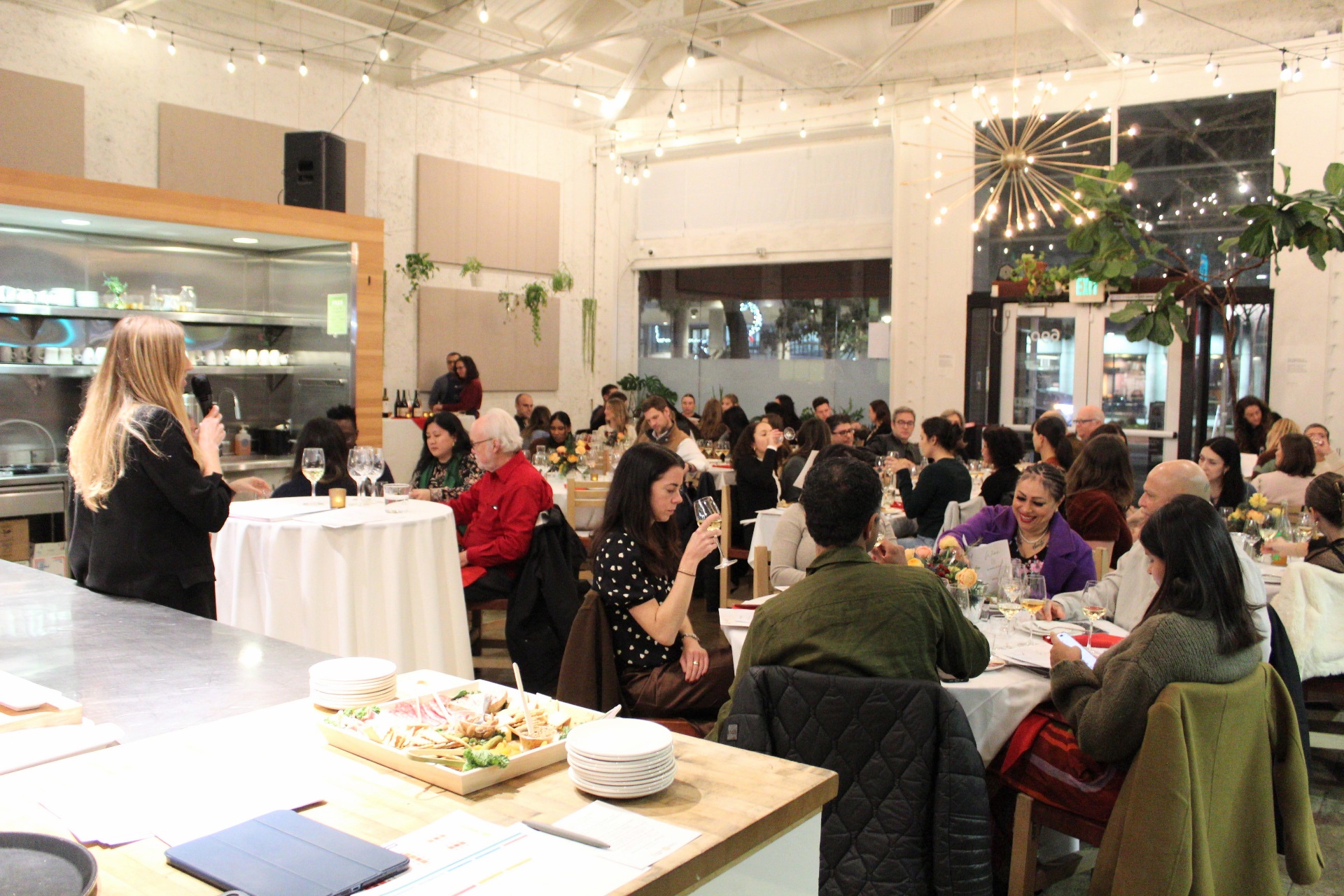
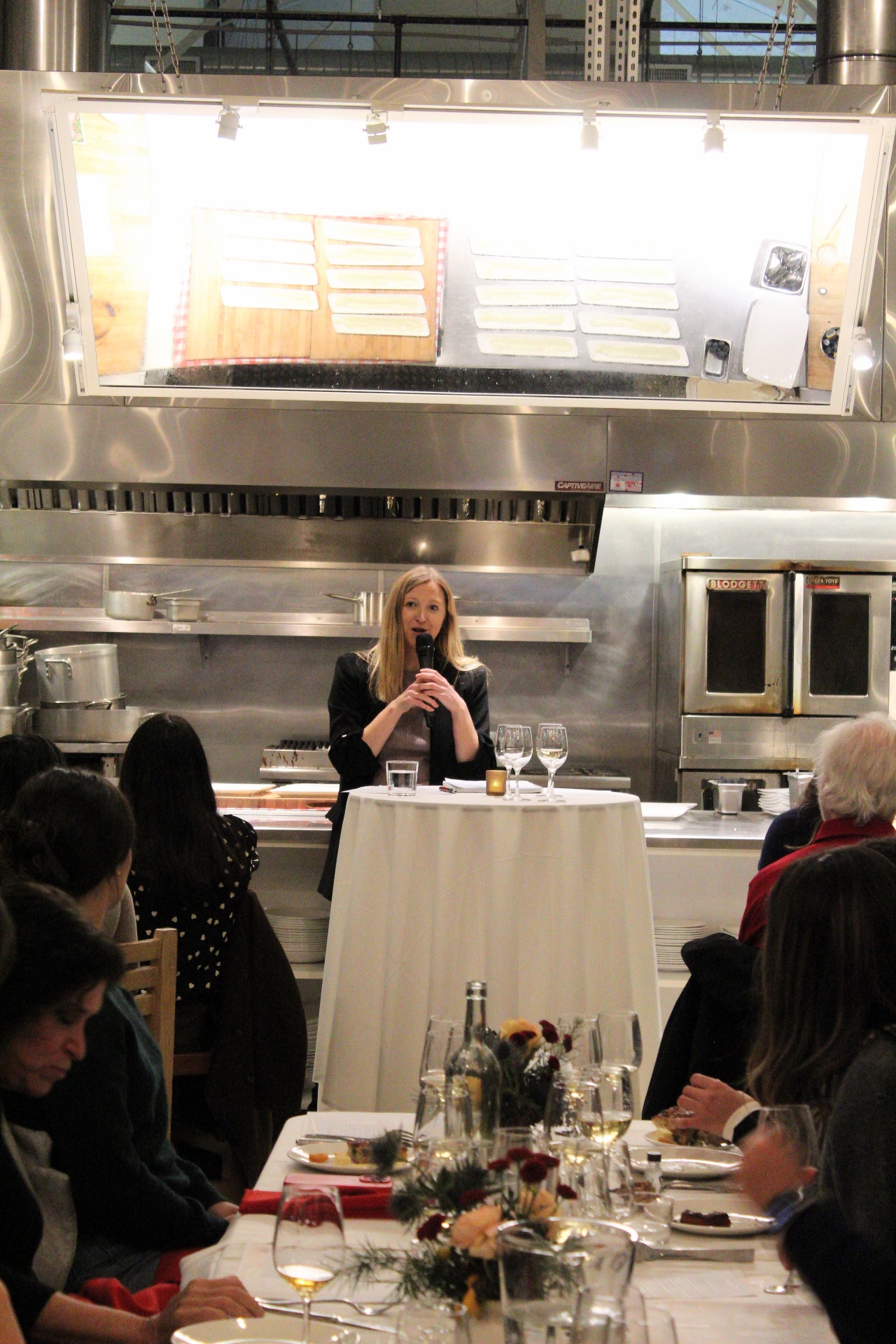
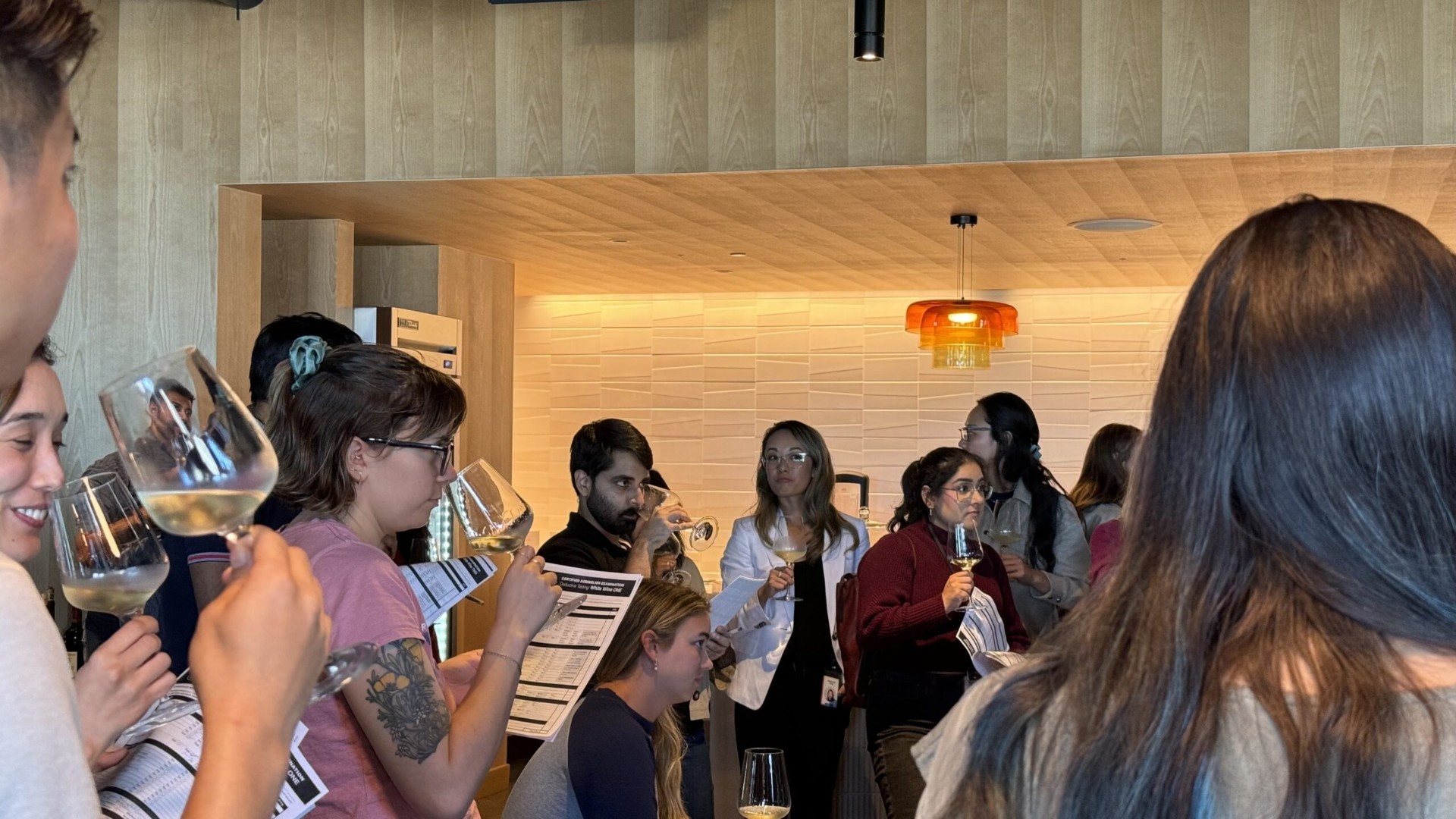
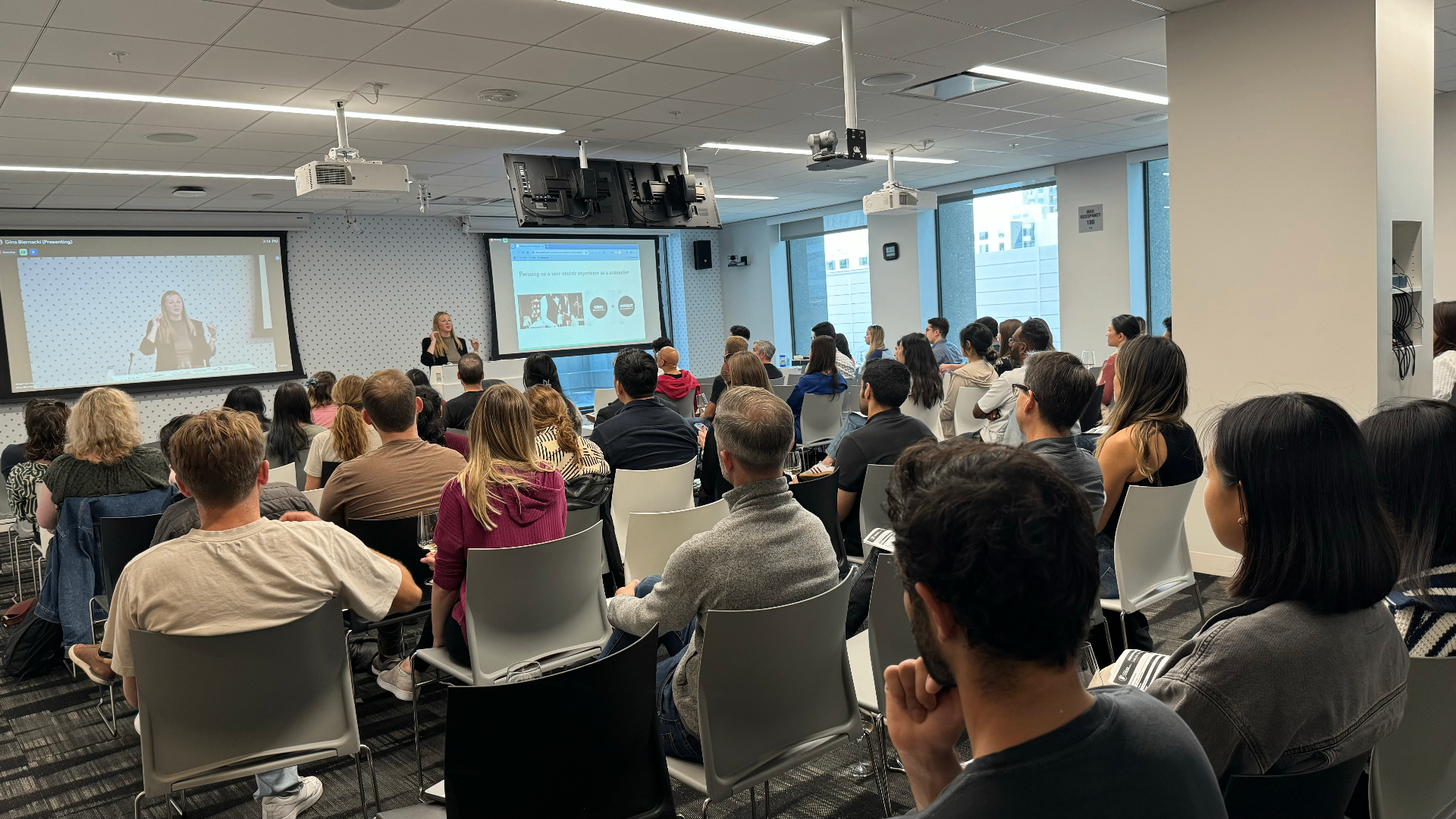
Attend One of Gina's Events
Wine tastings, bread pairings, and educational experiences hosted by Sommplicity in the Bay Area.
Upcoming
No upcoming events at the moment. Follow @somm_plicity for announcements.
Past Events
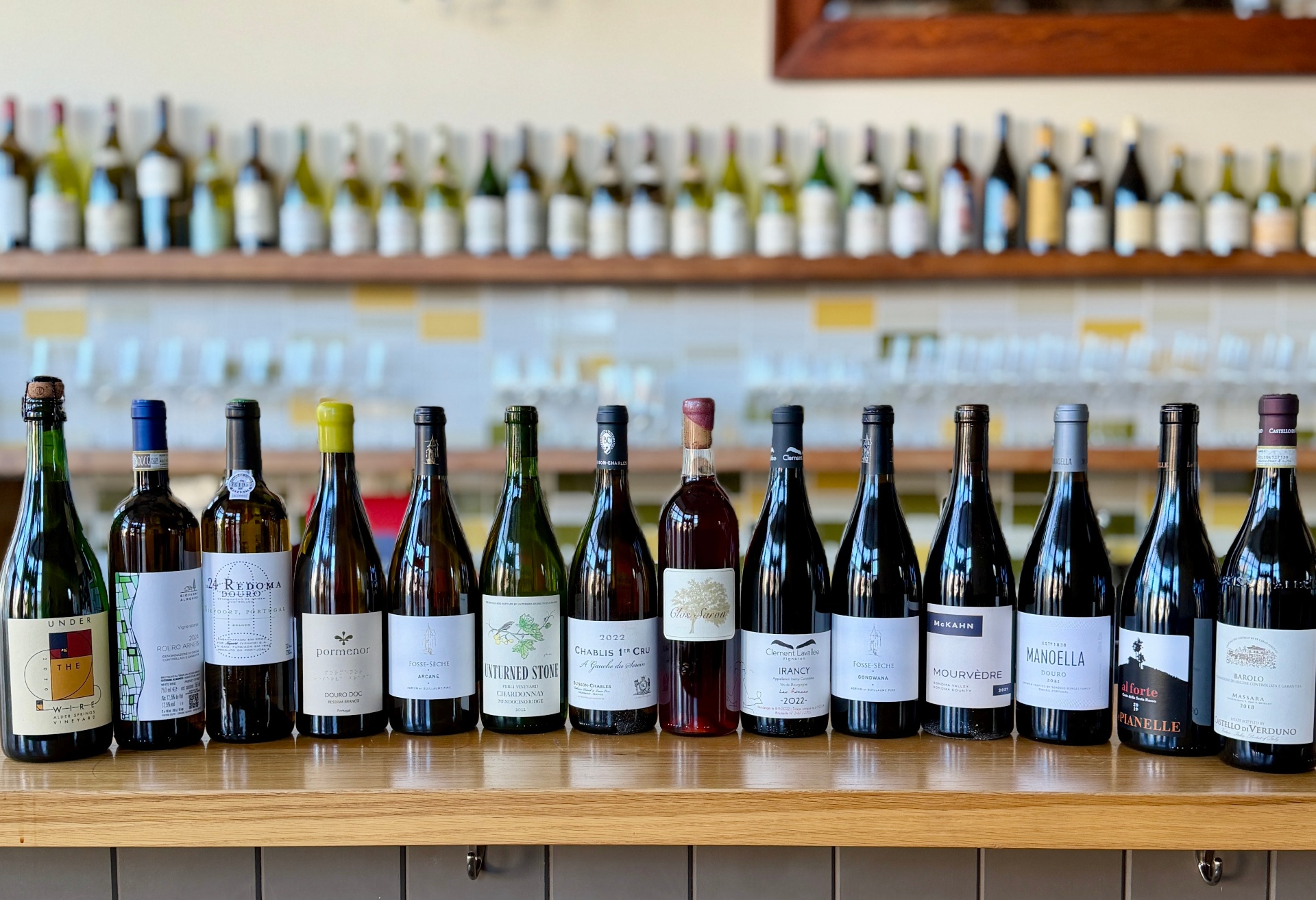
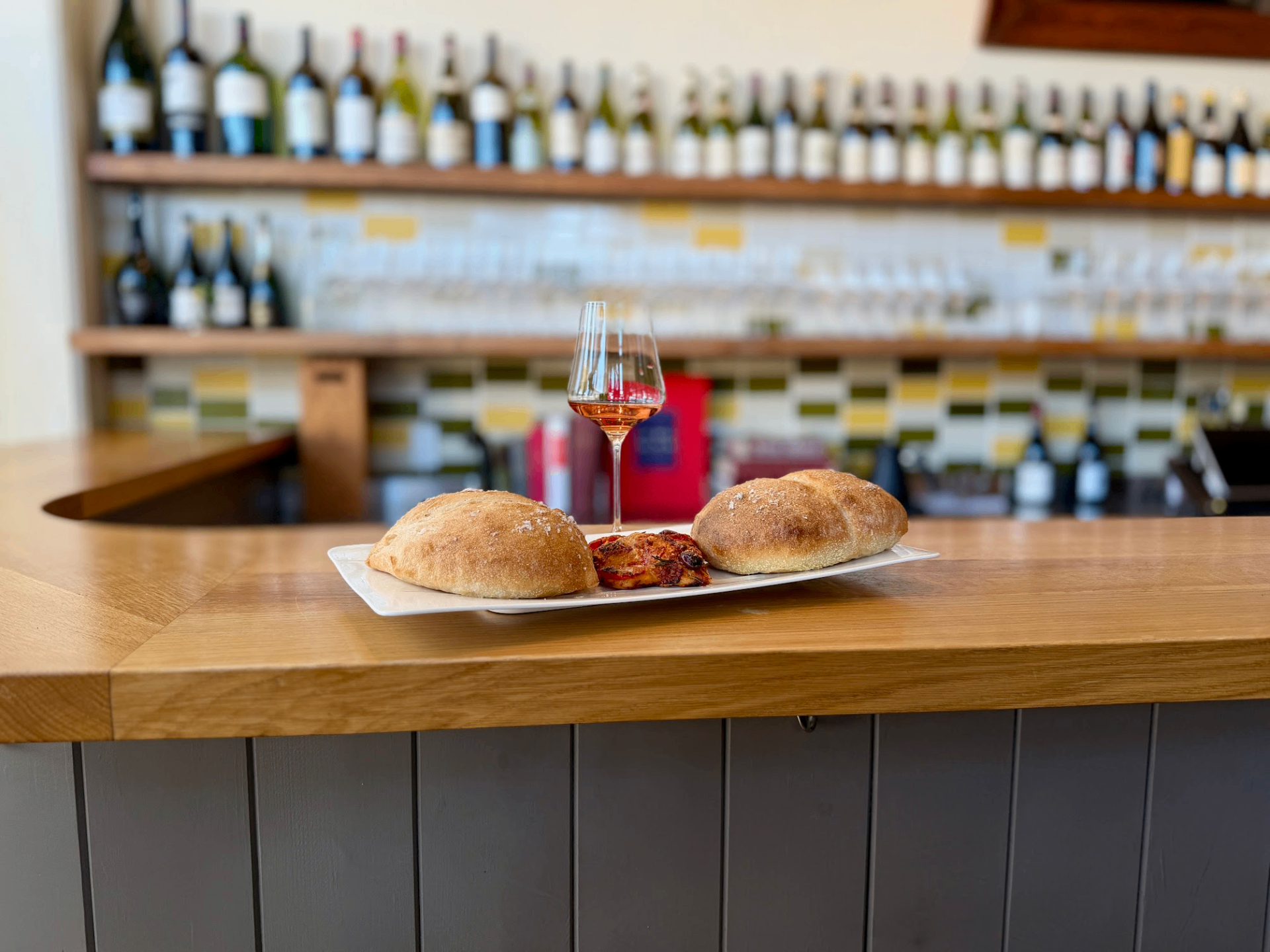
Sample ~15 wines at your own pace for $20/glass with house-baked sourdough and focaccia.
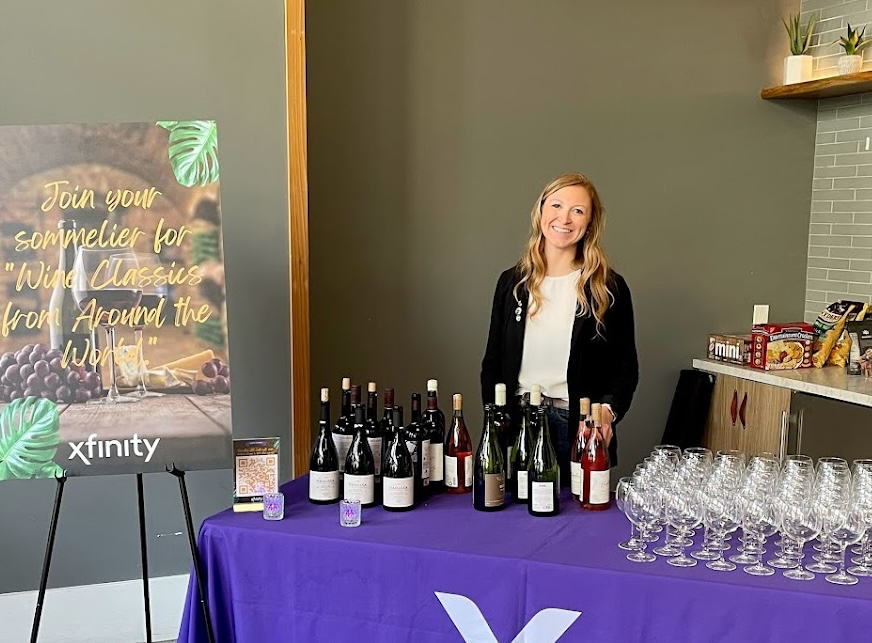
A guided tasting demystifying Champagne labels: Blanc de Blancs, Blanc de Noirs, Brut Nature. Guests tasted through a focused lineup side by side.
View on Tock →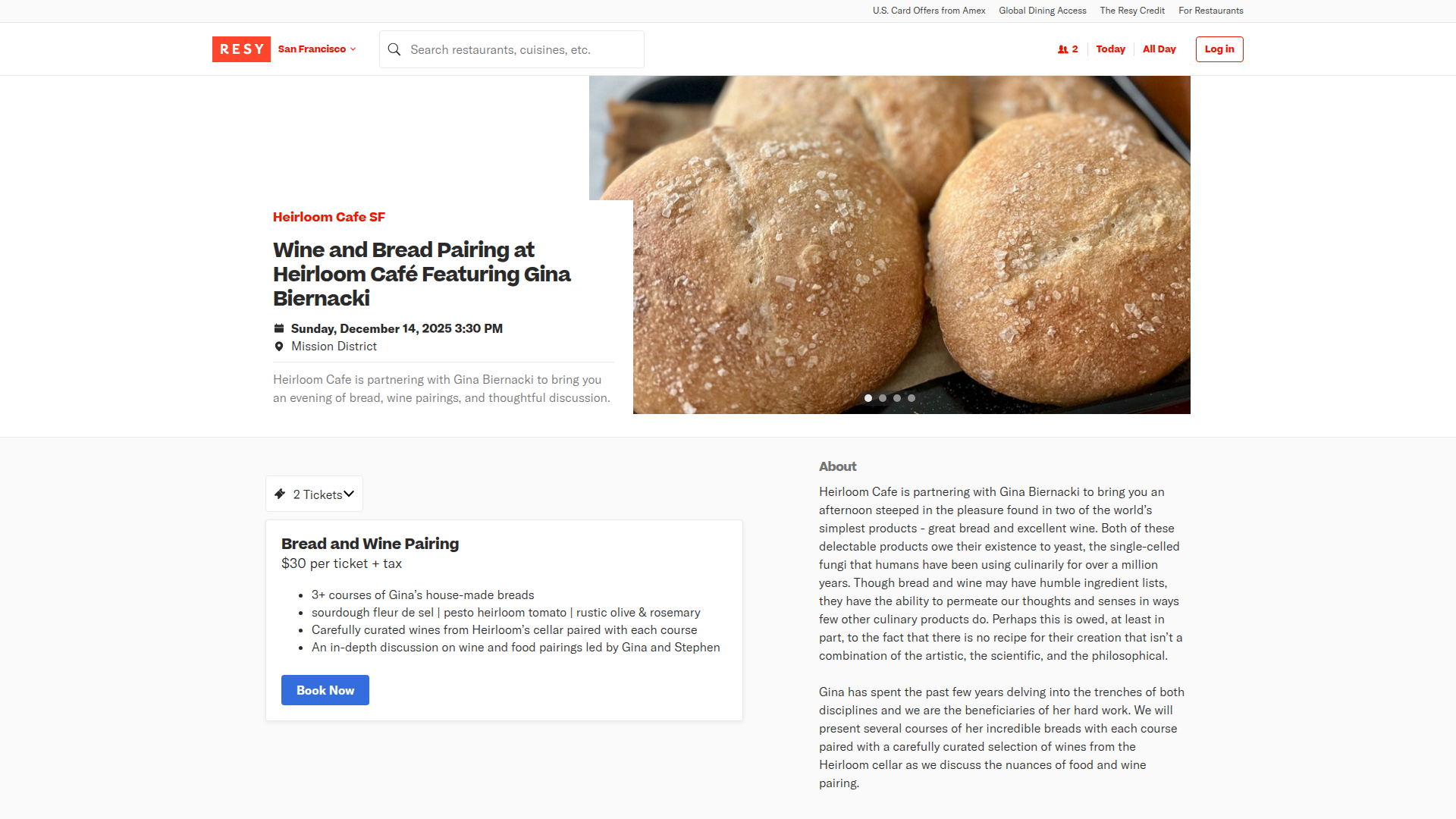
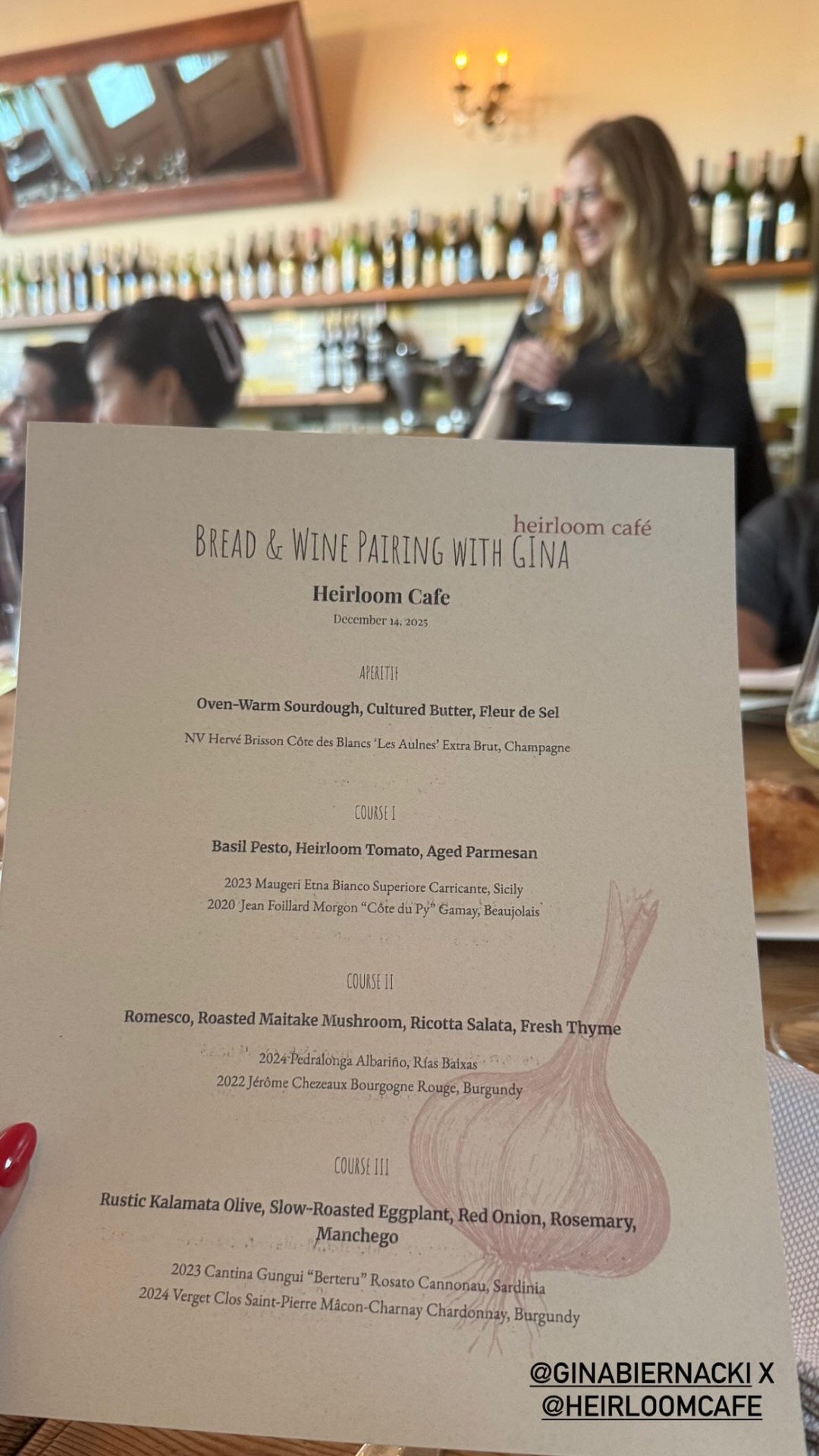
3+ courses of house-made breads: sourdough fleur de sel, pesto heirloom tomato, rustic olive & rosemary: paired with curated wines from Heirloom's cellar.
View on Resy →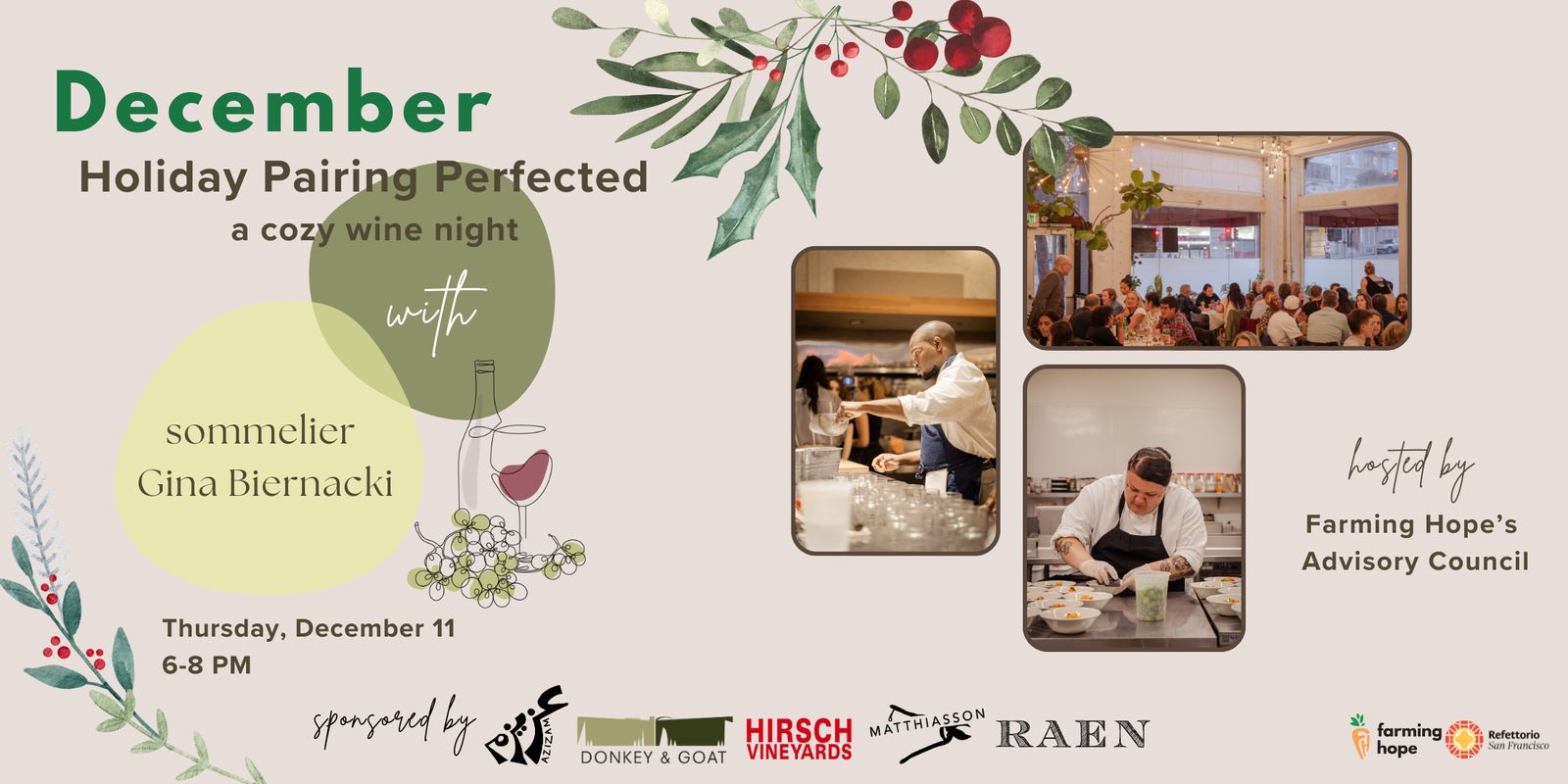
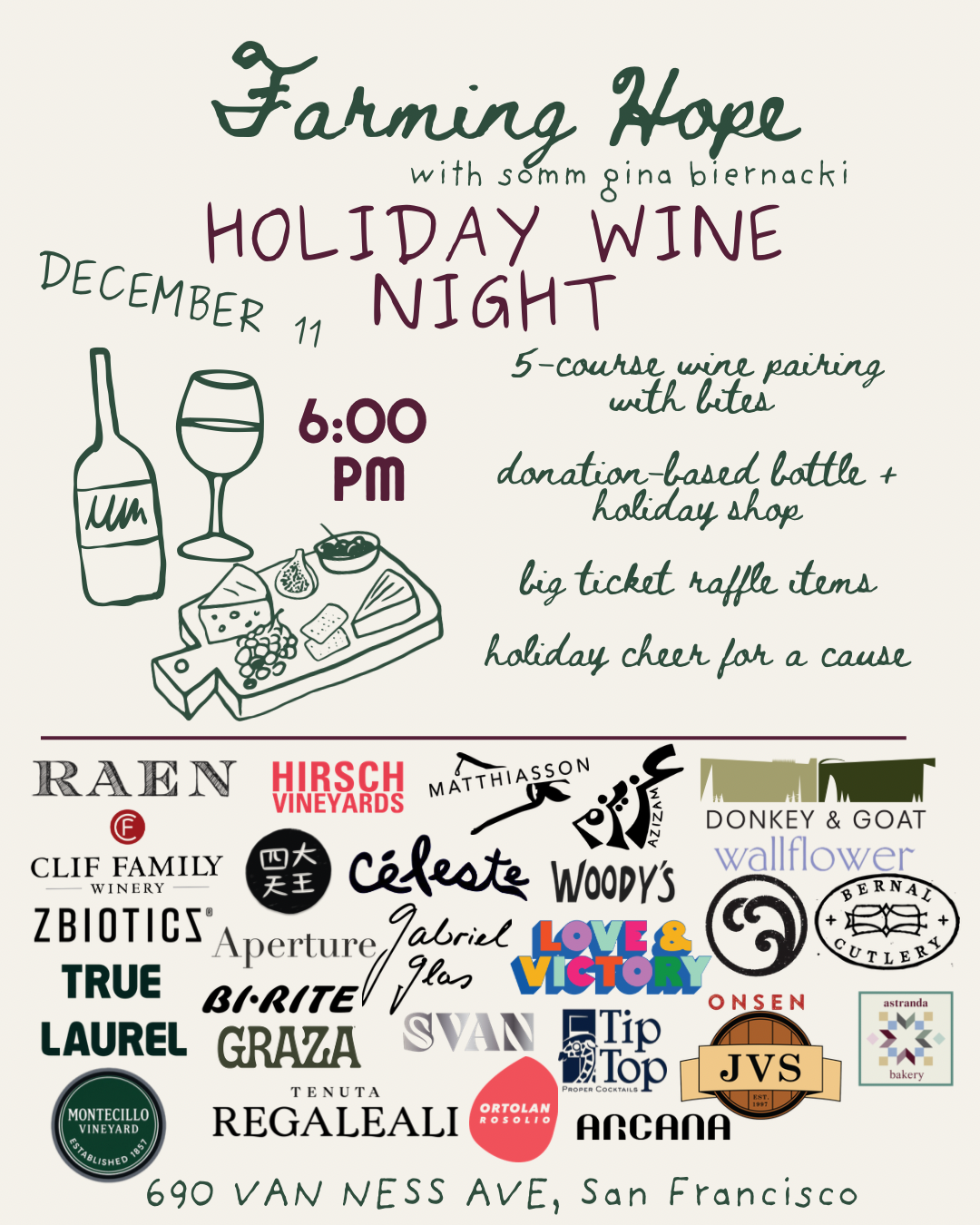
Wine education, exceptional food, and meaningful impact. Gina guided guests through curated holiday pairings while Farming Hope Apprentices served thoughtfully crafted bites.
View on Humanitix →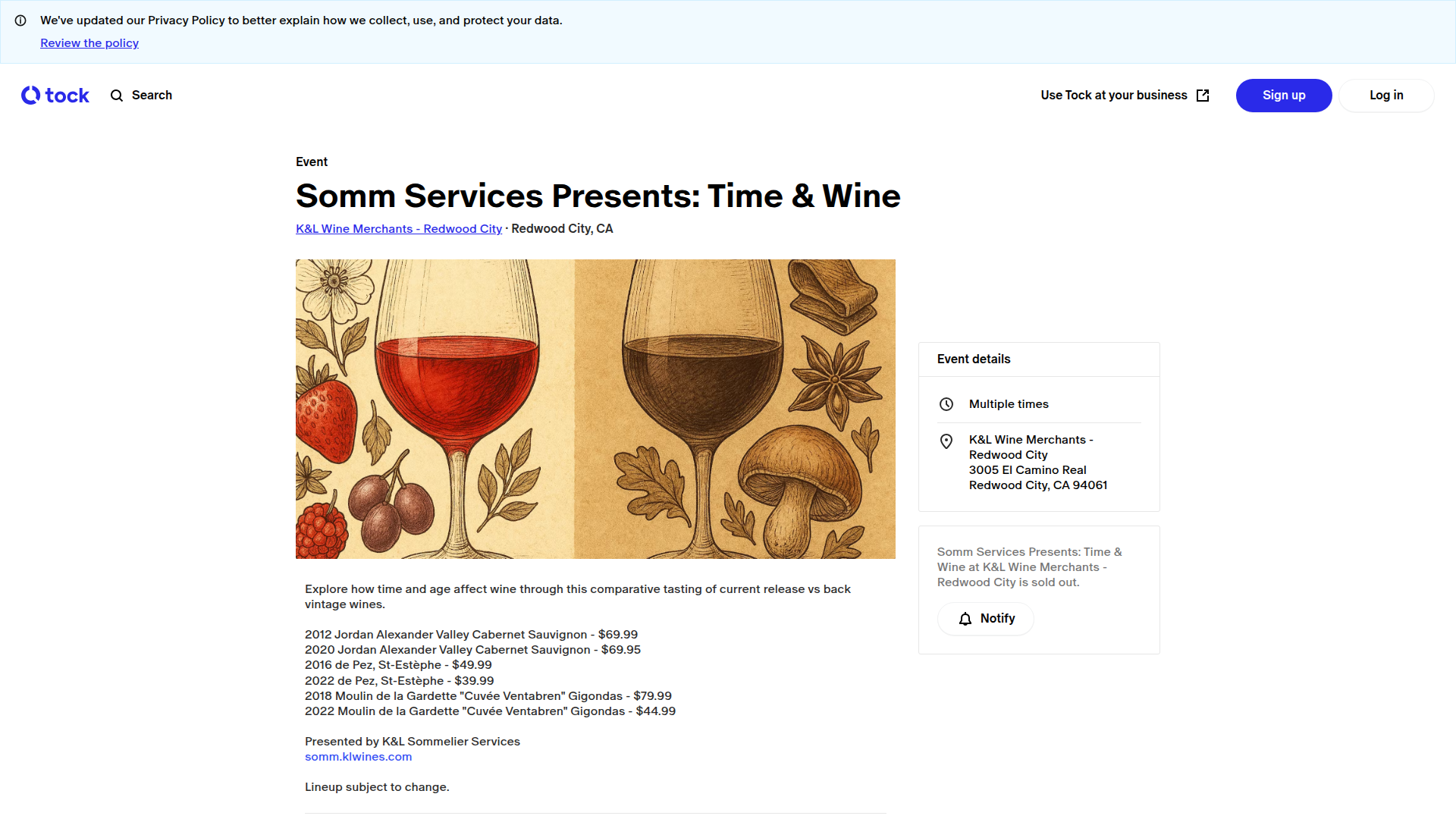
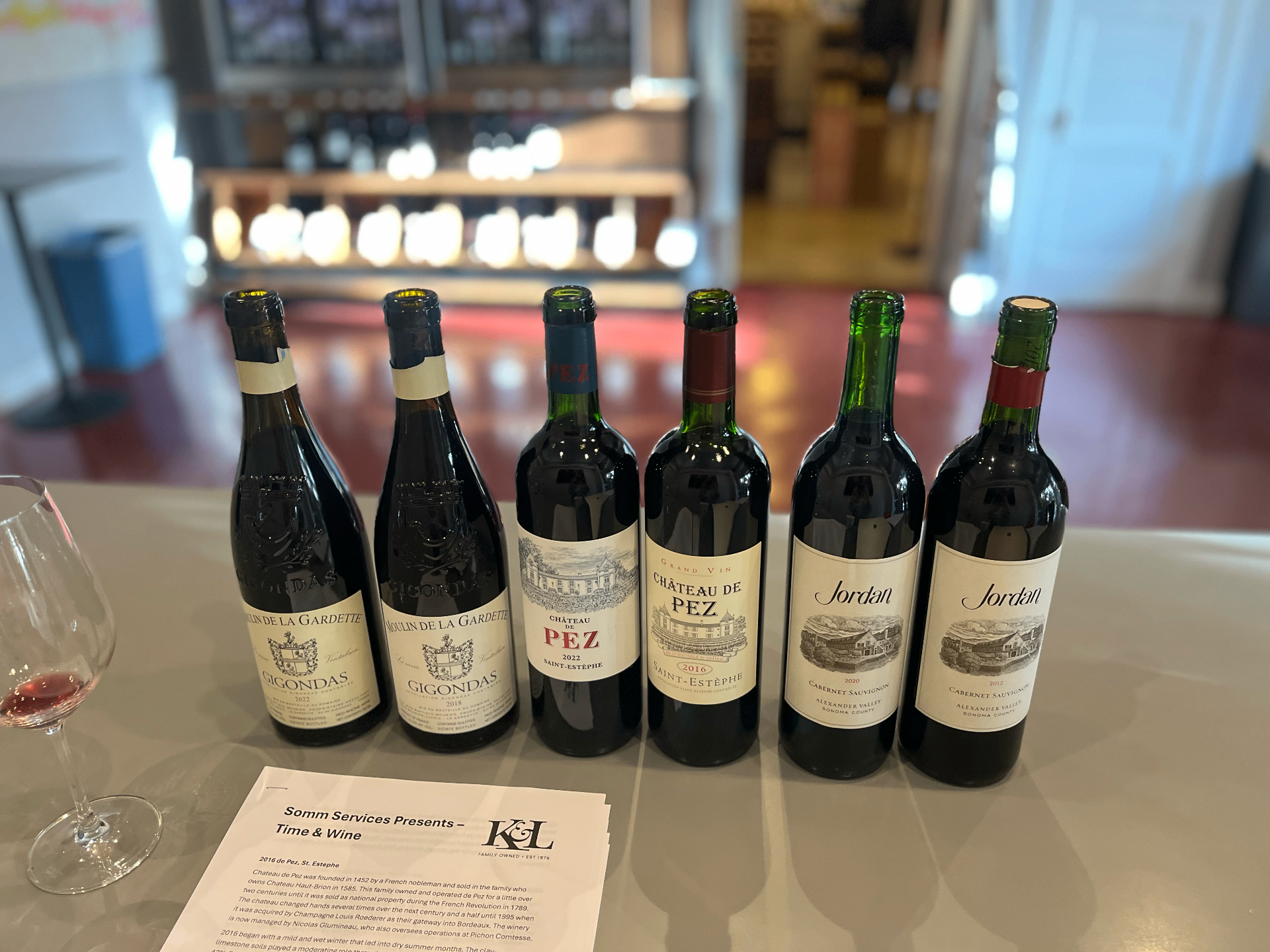
How does time change wine? A comparative tasting of current release vs. back vintage wines from Jordan, de Pez, and Moulin de la Gardette.
View on Tock →Event Gallery
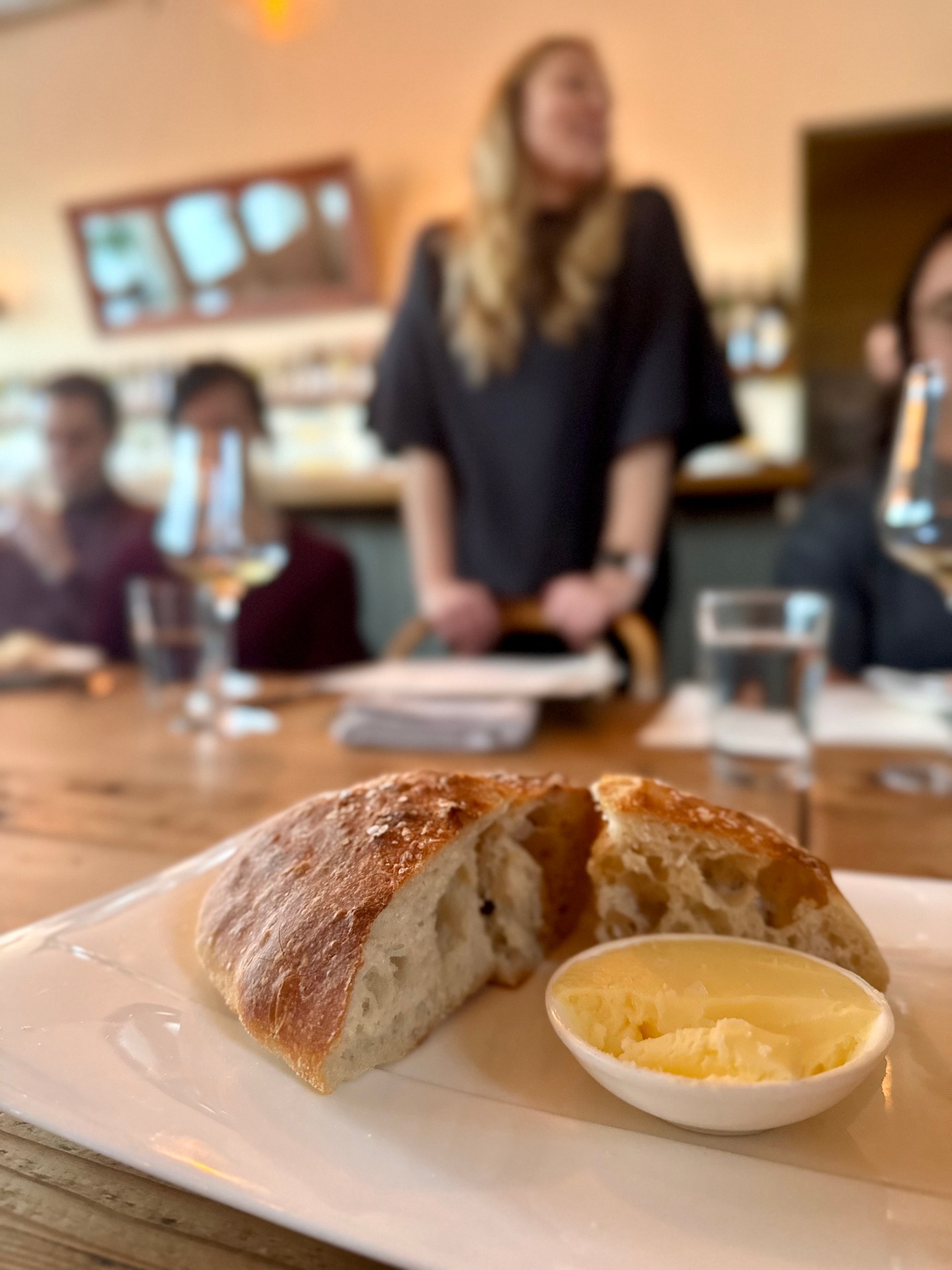
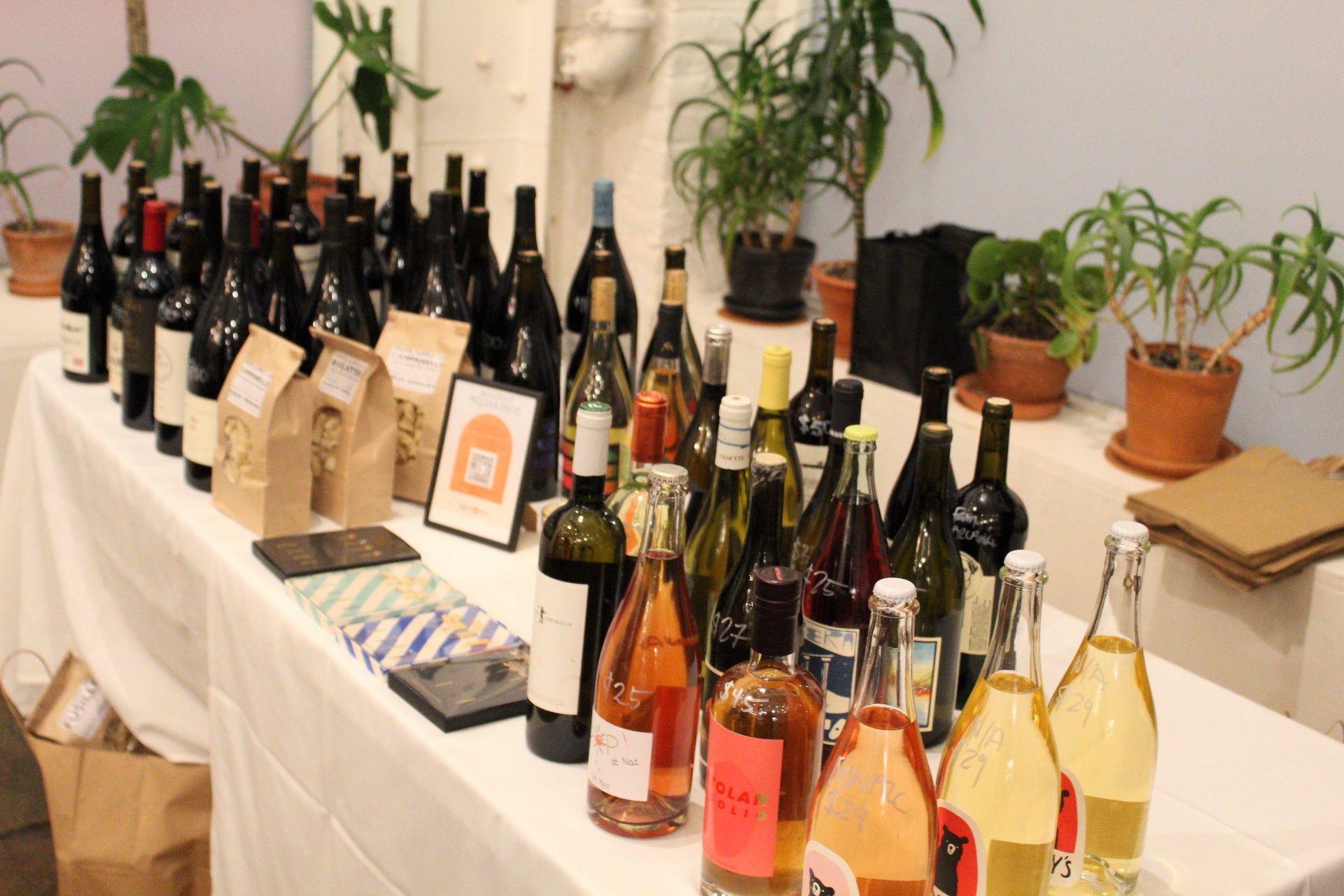
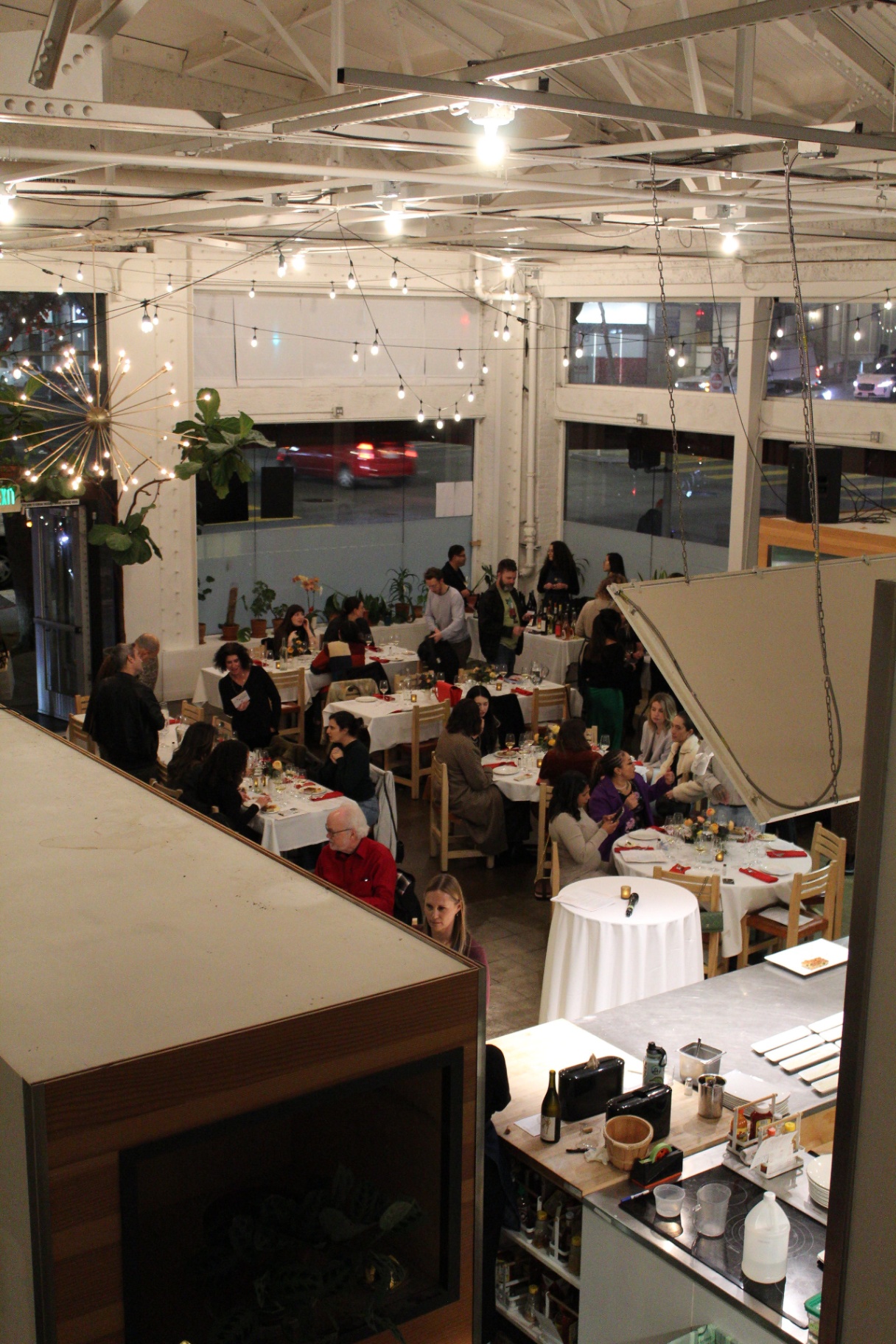
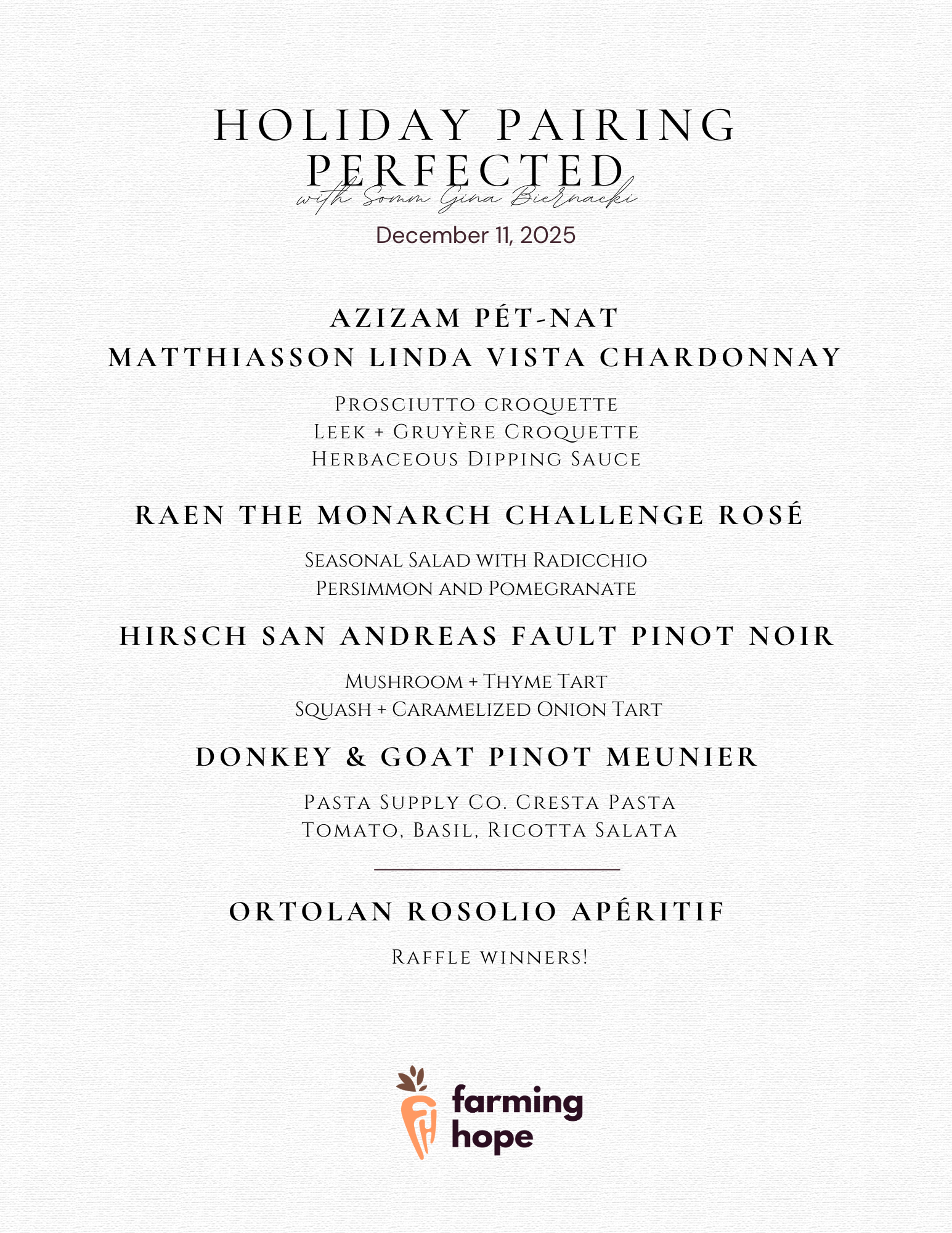
Side by Side
Compare wine regions head to head
Ready to test yourself?
Play the Side by Side Challenge to identify wines from blind clues.
Play nowBlind Tasting Guide
Ready to test yourself?
Try the Blind Tasting Simulator to practice deduction with scored challenges.
Play nowHow Wine Is Made
Grow Your Vine
Dinner Rescue
The food is ordered. Save the table.
Climate Slider
Ready to test yourself?
Play the Climate Challenge to match wines to their climate profiles.
Play now
Label School
What is this bottle actually telling you?
Grape or Place?
The simplest question in wine, and most people get it wrong.
A wine term appears. You have 8 seconds to sort it. Is it a grape variety, a place, or both? Some terms are also wine styles named after places.
Climate Challenge
Match wines to their climate profiles. Scored quiz.
Blind Tasting Simulator
Deduce wines from sensory prompts. Scored challenge.
Reading Wine Labels
What the bottle is actually telling youA wine label is a legal document wrapped in marketing. Every country regulates what must appear, but the conventions vary dramatically. Learning to decode labels across France, Italy, Germany, Spain, and the New World is one of the fastest ways to level up your wine knowledge.
Old World: Place Over Grape
In France, labels prioritize appellation over grape variety. A bottle labeled "Chablis" tells you it is 100% Chardonnay from the northern Burgundy subregion of Chablis, but the grape name never appears. Italian labels follow a similar philosophy: "Barolo" means Nebbiolo from a specific zone in Piedmont, classified as DOCG (Denominazione di Origine Controllata e Garantita), the highest tier in Italy's quality pyramid.
Germany uses a ripeness-based classification system called Pradikat. Terms like Kabinett, Spatlese, and Auslese indicate the sugar level of grapes at harvest, not necessarily the sweetness of the finished wine. A "trocken" Spatlese is dry despite being made from late-harvested fruit. The label also shows the region (Mosel, Rheingau, Pfalz) and often the vineyard (Einzellage).
Spain's system revolves around aging designations: Joven (young), Crianza (minimum aging in oak and bottle), Reserva (longer aging), and Gran Reserva (longest). These terms appear prominently alongside the Denominacion de Origen (DO or DOCa).
New World: Grape on the Label
Most New World wines, including those from the United States, Australia, Chile, and New Zealand, lead with the grape variety. In the US, a varietal-labeled wine must contain at least 75% of the named grape. The label also shows the AVA (American Viticultural Area), vintage year, and alcohol percentage. Single-vineyard designations and reserve terminology are unregulated in most New World countries.
Key Label Elements
Appellation
The legally defined growing area. More specific = higher quality signal (e.g., Pauillac vs. Bordeaux).
Vintage
The year the grapes were harvested. Affects style in regions with variable weather. NV = Non-Vintage blend.
Producer / Estate
Who made the wine. "Mis en bouteille au chateau" means estate-bottled in Bordeaux.
Alcohol %
Legally required. Generally: higher alcohol correlates with riper, warmer-climate fruit.
Classification
Quality tier within an appellation. Grand Cru, Premier Cru, Cru Bourgeois, Riserva, Gran Reserva.
Back Label
Often has tasting notes, food pairing suggestions, and importer information. Not legally regulated in most regions.
Pairing Rules
Fast heuristics for matching wine to foodGreat food and wine pairing is not mystical. It rests on a handful of structural principles that sommeliers use every night on the restaurant floor. Master these rules and you can pair confidently with any dish, even one you have never seen before.
The Weight Match
The single most important rule: match the body of the wine to the weight of the dish. A delicate Muscadet will be obliterated by braised short ribs. A massive Barossa Shiraz will overpower a piece of sole meuniere. Light food, light wine. Heavy food, heavy wine. This principle alone gets you 80% of the way to a good pairing.
Acidity as a Tool
Wines with high acidity act like a squeeze of lemon. They cut through richness, cleanse the palate, and refresh between bites. Fatty or creamy dishes call for high-acid wines: think Champagne with fried chicken, Chablis with cream sauce, or Barbera with salumi. A wine should always be at least as acidic as the food, or it will taste flat and flabby.
Tannin Loves Fat and Protein
Tannins in red wine bind to proteins and fats, which is why a rare steak makes a tannic Cabernet taste smoother. Without fat or protein, those same tannins feel astringent and drying. This is why tannic reds struggle with fish (unless it is a rich, meaty fish like tuna or swordfish) and why they shine with aged cheese, grilled lamb, and charcuterie.
Sweetness and Heat
Spicy food makes tannin and alcohol feel hotter. The antidote is residual sugar and lower alcohol: off-dry Riesling, Gewurztraminer, or a demi-sec Vouvray. Sweet dishes need wines that are at least as sweet as the food, otherwise the wine tastes sour. This is why dessert wines exist, and why a dry Champagne with wedding cake tastes terrible.
Quick Reference
Rich + Acidic
Cream sauces, fried food, fatty fish pair with high-acid whites like Champagne, Chablis, Albarino.
Protein + Tannic
Red meat, aged cheese, charcuterie pair with structured reds like Cabernet, Nebbiolo, Tempranillo.
Spicy + Sweet
Thai, Indian, Mexican pair with off-dry wines like Riesling, Gewurztraminer, Chenin Blanc.
Regional Match
When in doubt: what grows together goes together. Chianti with pasta al ragu. Muscadet with oysters.
Wine Comparisons
Structured region and grape comparisonsComparing wines side by side is one of the most powerful learning tools in a sommelier's arsenal. Tasting two wines together highlights the differences that context alone cannot teach. This reference collects the key distinctions between commonly confused regions and grapes.
Classic Regional Comparisons
Burgundy vs. Oregon: Both focus on Pinot Noir and Chardonnay, but Burgundy's continental climate and limestone soils produce leaner, more mineral-driven wines. Oregon's Willamette Valley, influenced by marine air through the Van Duzer Corridor, tends toward brighter fruit with slightly more flesh. Burgundy classifies by vineyard; Oregon classifies by sub-AVA.
Napa vs. Bordeaux: Napa's warmer, sunnier climate yields riper, more fruit-forward Cabernet Sauvignon, often with higher alcohol and softer tannins. Bordeaux's marginal maritime climate produces more restrained wines with higher acidity and firmer tannic structure. Bordeaux blends multiple grapes (Cabernet Sauvignon, Merlot, Cabernet Franc); Napa often bottles single-varietal.
Barossa vs. Northern Rhone: Both produce Syrah/Shiraz, but the expression could not be more different. Barossa's warm, dry climate gives bold, ripe, chocolatey Shiraz with American oak sweetness. Northern Rhone's steep granite slopes produce more savory, peppery, medium-bodied Syrah with restrained fruit and firm tannins.
Grape Comparisons
Pinot Grigio vs. Pinot Gris: Same grape, different philosophies. Italian Pinot Grigio from Trentino-Alto Adige is crisp, light, and neutral. Alsatian Pinot Gris is richer, with stone fruit, honey notes, and sometimes residual sugar. Oregon splits the difference.
Sauvignon Blanc: Loire vs. Marlborough: Sancerre and Pouilly-Fume offer flinty, mineral Sauvignon Blanc with restrained fruit. Marlborough amps up the tropical and herbaceous notes, with pronounced passionfruit, grapefruit, and cut grass intensity.
What to Compare
Same Grape, Different Place
How terroir and climate change the expression of an identical variety.
Same Region, Different Grape
How varieties respond to the same soil and climate conditions.
Old World vs. New World
Philosophy, winemaking style, labeling conventions, and flavor profiles.
Vintage Variation
How weather in a single year shapes the character of a wine from the same producer.
Ready to test yourself?
Play the Side by Side Challenge to identify wines from blind clues.
Play nowSide by Side Challenge
Identify wines from blind comparison clues
Viticulture
The science and craft of growing wine grapesWine is made in the vineyard. No amount of winemaking technique can compensate for poorly grown fruit. Understanding viticulture, from vine physiology to soil science, is essential for anyone pursuing wine at a professional level.
The Annual Vine Cycle
The grapevine's growing season follows a predictable rhythm. Dormancy runs from late autumn through winter, when the vine rests and carbohydrate reserves build in the root system. Bud break occurs in spring as temperatures rise above roughly 10 degrees Celsius, triggering new shoot growth. Flowering follows six to eight weeks later; successful pollination determines the potential crop size. Poor weather during flowering causes coulure (flower drop) and millerandage (uneven berry development).
Veraison marks the onset of ripening, typically in late July or August in the Northern Hemisphere. Red grapes change color from green to purple; whites turn translucent gold. Sugar accumulates, acidity drops, and phenolic compounds develop. The grower's final decision is harvest timing, balancing sugar, acid, phenolic maturity, and the weather forecast.
Training Systems
VSP (Vertical Shoot Positioning)
Shoots trained upward between catch wires. Standard in cool-climate regions like Burgundy, Oregon, and Marlborough. Good air circulation and sun exposure.
Bush Vine (Gobelet)
Free-standing vines with no trellis. Common in warm, dry regions: Southern Rhone, old-vine Barossa, Mediterranean. Self-shading protects fruit from sunburn.
Pergola (Tendone)
Vines trained overhead on an arbor. Traditional in northern Italy (Trentino) and parts of Portugal. High yields, shade for grapes in hot climates.
Lyre / Geneva Double Curtain
Split canopy systems that maximize leaf exposure while managing vigor. Used in fertile, humid regions.
Soil and Terroir
Vines perform best in well-drained, nutrient-poor soils that stress the plant just enough to limit vigor and concentrate flavors. Limestone and chalk (Champagne, Chablis, Jerez) contribute minerality and excellent drainage. Slate (Mosel) retains heat and reflects it back to the canopy. Volcanic soils (Etna, Santorini) add a distinctive mineral character. Clay soils (Pomerol, parts of Barossa) retain water, suiting drought-prone regions but requiring careful canopy management.
Climate Considerations
Climate determines which grapes can ripen and what style of wine they produce. Cool climates (Champagne, Mosel, Tasmania) yield higher-acid, lower-alcohol wines with green and citrus fruit. Warm climates (Barossa, Napa, Mendoza) produce riper, fuller-bodied wines with tropical and dark fruit flavors. Maritime, continental, and Mediterranean climate types each bring distinct growing conditions, diurnal temperature ranges, and disease pressures.
Ready to test yourself?
Play Grow Your Vine to make viticultural decisions across a season.
Play nowHow Wine Ages
Why some wines improve with time and how to store themMost wine is made to be consumed within a year or two of release. Only a small fraction of the world's wines, perhaps 5 to 10 percent, actually benefit from extended cellaring. Understanding what makes a wine age-worthy, and what happens inside the bottle over time, separates casual drinkers from serious collectors.
Why Wines Age
Aging is a slow series of chemical reactions. In red wines, tannin polymerization causes short, aggressive tannin chains to link into longer, softer ones, which eventually precipitate as sediment. This is why young Barolo feels mouth-coating and astringent while a 20-year-old bottle feels silky. Acid integration smooths out sharp edges as tartaric acid interacts with other compounds. Color shifts from bright purple-ruby to garnet and eventually brick-tawny as anthocyanins bind with tannins.
Aroma evolution proceeds from primary fruit and floral notes to secondary winemaking-derived aromas (butter, brioche, vanilla) to tertiary bottle-age characters: leather, tobacco, mushroom, truffle, dried fruit, and forest floor. This transformation is the magic of aged wine.
What Ages Well
Age-worthy wines share structural characteristics: high acidity, significant tannin, concentrated fruit, and/or residual sugar. The classic candidates include top Bordeaux, Burgundy, Barolo, Barbaresco, vintage Champagne, Riesling (dry and sweet), Vintage Port, and Sauternes. White wines with high acidity and extract (Grand Cru Burgundy, top Loire Chenin Blanc) can age as long as many reds.
Storage Conditions
Temperature
Ideal: 12-14 C (55 F). Consistent is more important than exact. Heat accelerates aging; cold slows it. Fluctuations are the enemy.
Humidity
60-70% prevents corks from drying out. Too low = cork shrinks, air enters. Too high = mold on labels (cosmetic, not harmful to wine).
Light
UV light degrades wine. Dark storage is essential. This is why wine bottles are tinted green or brown.
Vibration
Constant vibration disturbs sediment and may accelerate chemical reactions. Keep bottles still, away from appliances and traffic.
When to Drink
Every wine has a drink window: the range of years during which it is at or near its peak. Some wines (like Beaujolais Nouveau) have a window of weeks. Others (like a classified-growth Bordeaux from a great vintage) may have a window spanning decades. The concept of a "peak" is partly personal: some drinkers prefer the exuberance of young wine, while others prize the complexity of bottle age. Most professionals describe a plateau rather than a single peak, a period of several years during which the wine is showing its best.
Ready to test yourself?
Play the Cellar Aging Game to predict aging trajectories and drink windows.
Play nowPrivacy Policy
How Sommplicity handles your dataLast updated: April 2026
What we collect
When you sign in with Google, we receive your name, email address, and profile photo. We use this to personalize your experience on the site. We do not sell or share your personal information with third parties.
How we use your data
Your preferences, favorites, tasting history, and quiz progress are stored locally in your browser (localStorage) and optionally synced to our server to persist across devices. This data is used exclusively to power your Sommplicity experience.
Cookies and tracking
Sommplicity uses Google Sign-In for authentication. We do not use advertising cookies or third-party tracking pixels. We may use basic analytics to understand which features are most used.
AI-powered features
Features like Food Pairing, Pocket Somm, and Study Tools use the Anthropic Claude API to generate content. Your queries are sent to Anthropic's API for processing. Anthropic does not use API inputs for model training. No personal data is included in these requests.
Your rights
You can delete your account data at any time by clearing your browser localStorage or by emailing gina@somm-plicity.com. California residents have additional rights under the CCPA.
Contact
Questions about this policy? Email gina@somm-plicity.com.
Settings
Manage your account preferencesSettings are on the way
For now, manage your account through Google.
History
Your activity across SommplicityDaily Quiz
Test your wine knowledge across every topic
About Gina
Certified Sommelier & Wine Educator, San Francisco
About Gina
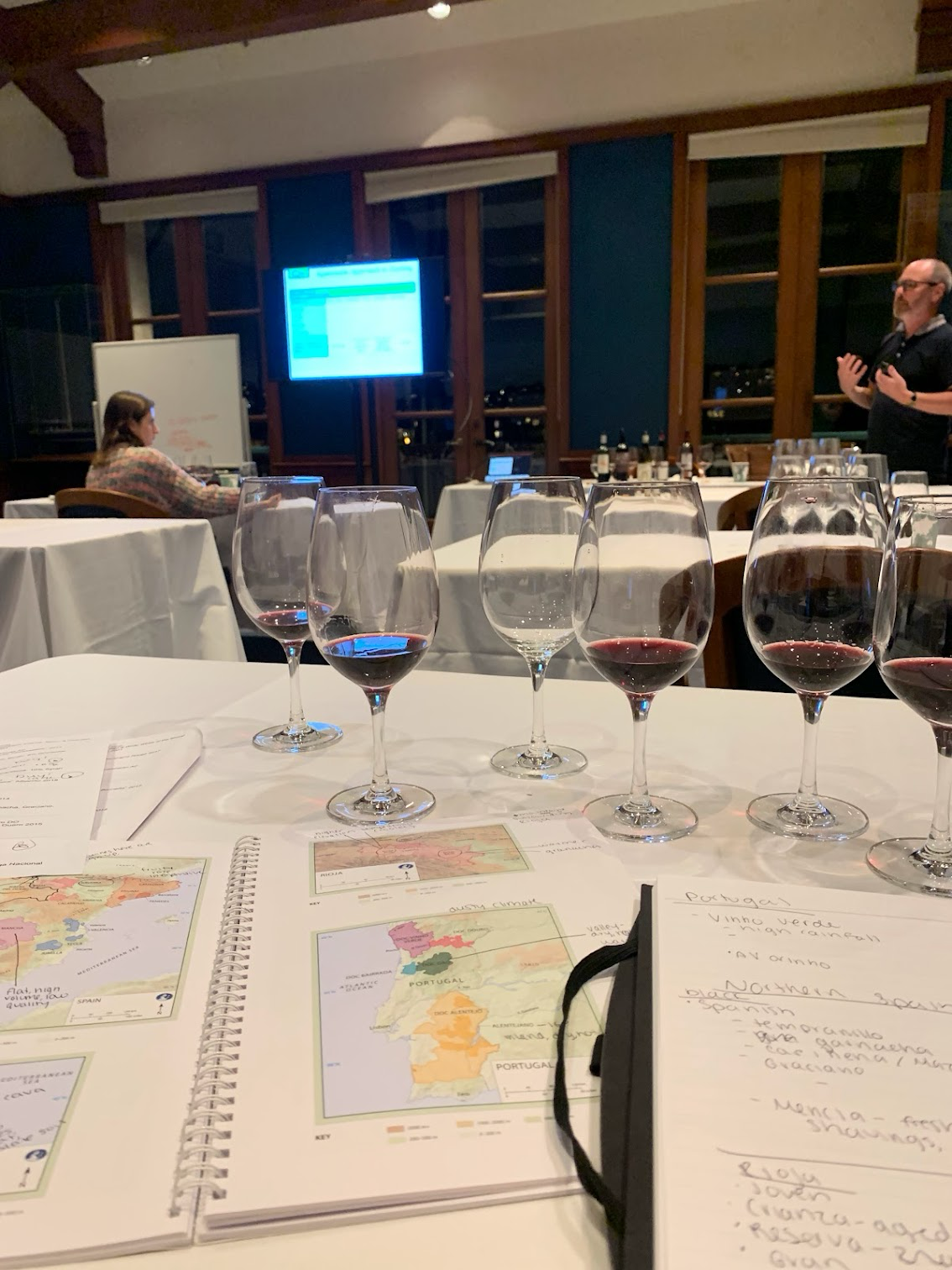
I'm a Certified Sommelier (Court of Master Sommeliers, 2022) and WSET Level 3 Distinction holder with a background in product management at Google. What started as teaching informal wine tastings for colleagues became dedicated study, harvest work in Bordeaux, and eventually Sommplicity.
Every tool on this site is powered by AI and shaped by a real palate. Every recommendation is tested, every data source vetted, every framework reviewed against the references the wine world agrees on. Technology powers the experience. A sommelier ensures it's trustworthy.
Wine is not meant to be mastered. It is meant to be experienced.
In a world that only grows busier, wine remains one of the purest products of the earth and invites us to slow down and be present.
My Journey to Wine
MBA & Product Manager at Google
Started in consulting before earning an MBA from Chicago Booth. At Google, learned to distill complexity into clarity and found every opportunity to teach colleagues about wine.
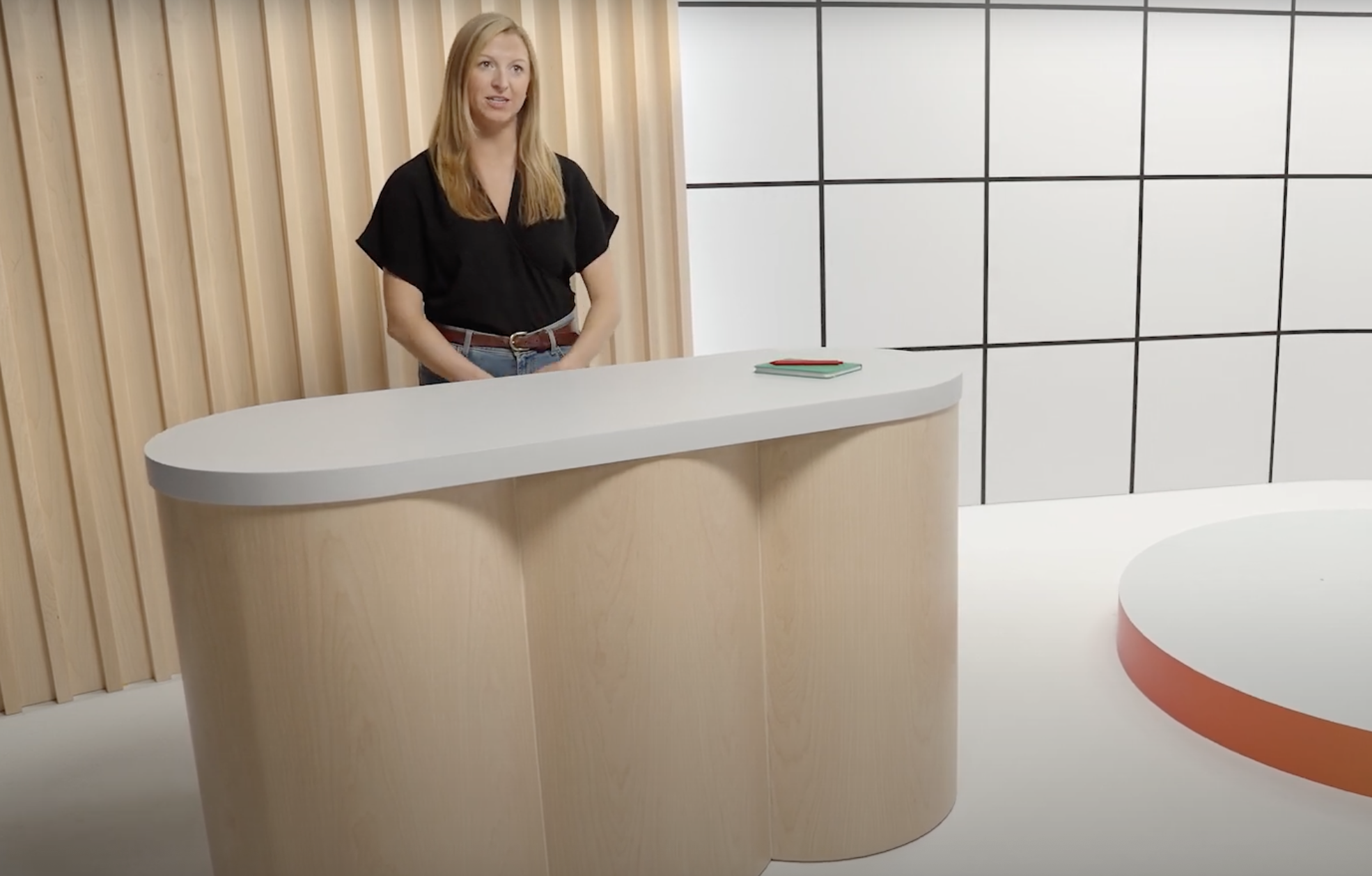
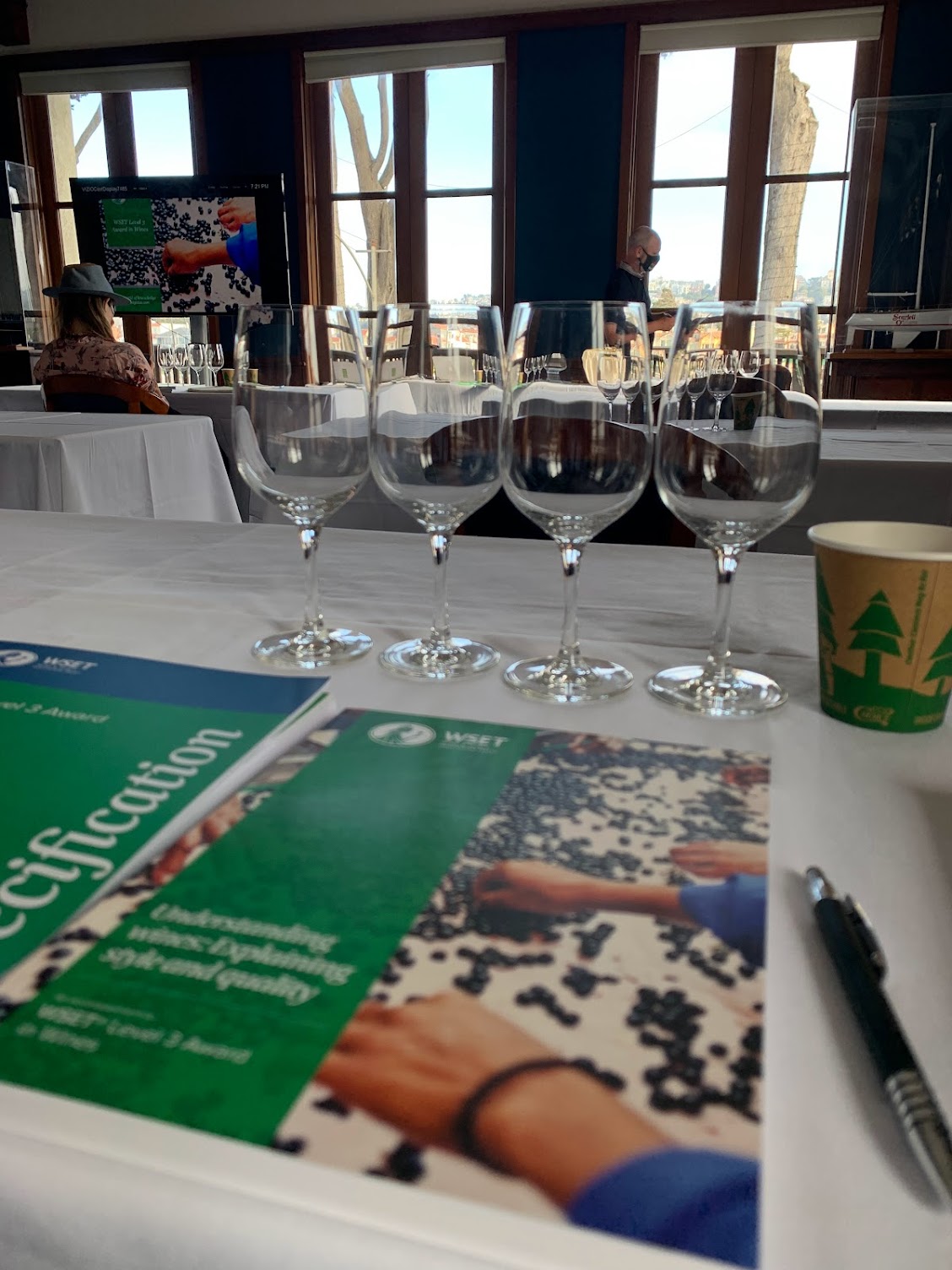
WSET Level 3 with Distinction
Completed with distinction, demonstrating advanced knowledge of wines and winemaking from around the world.
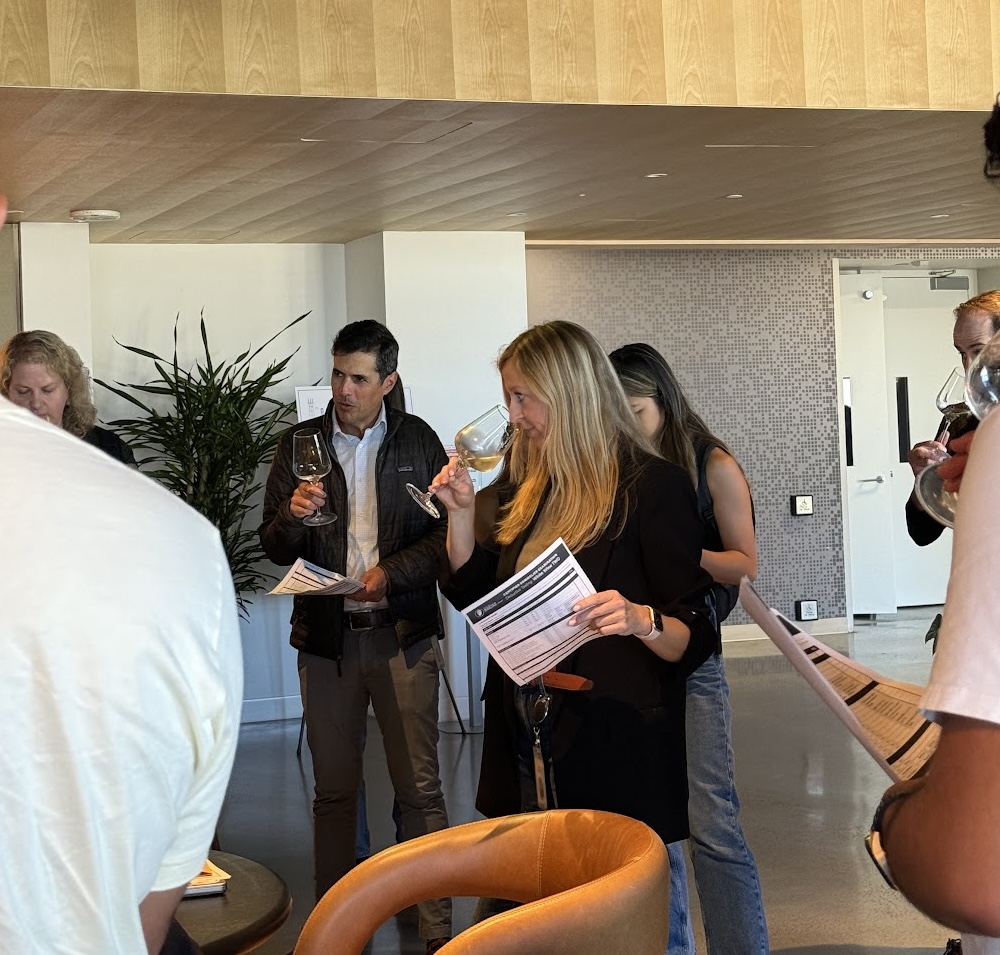
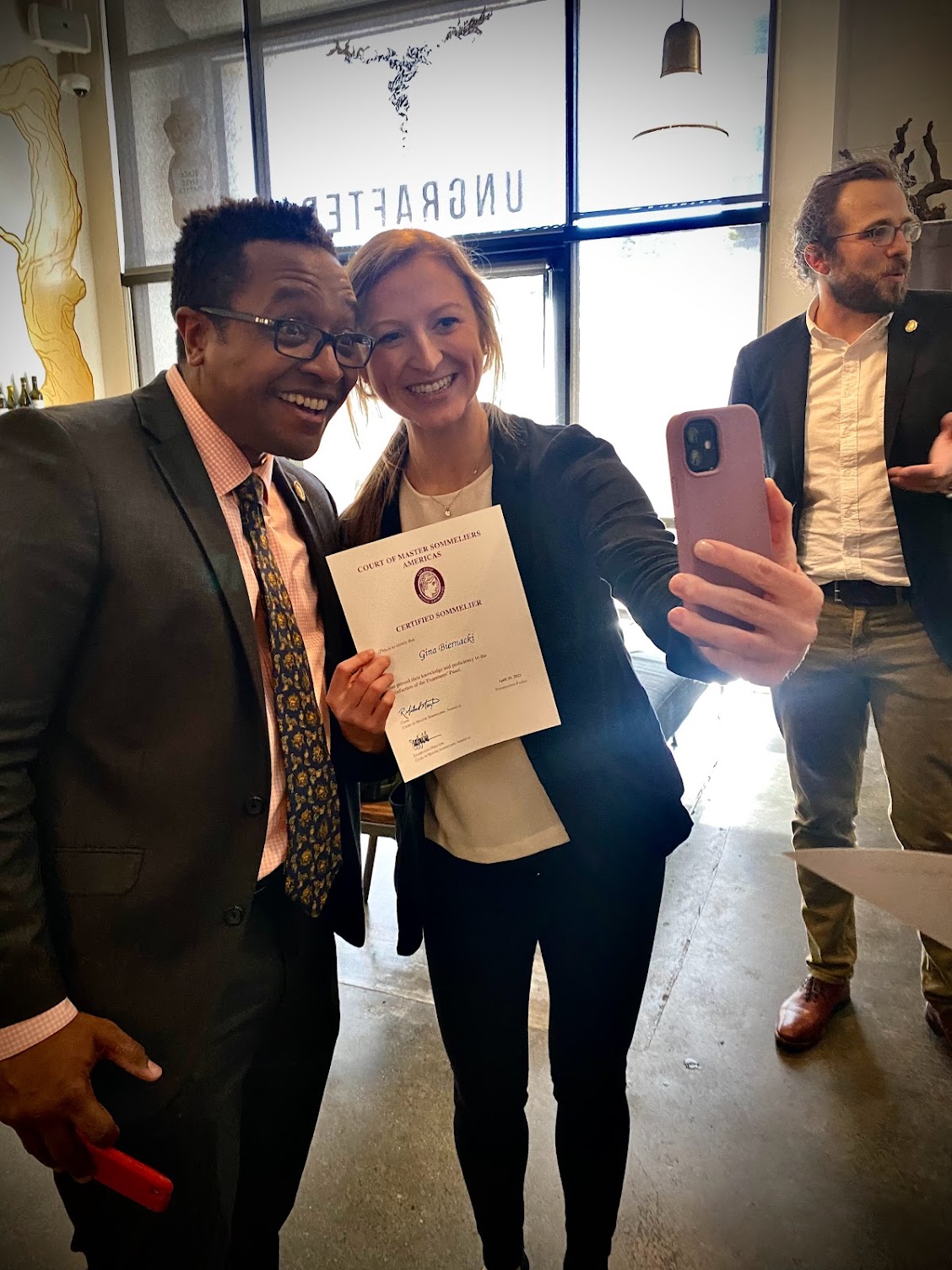
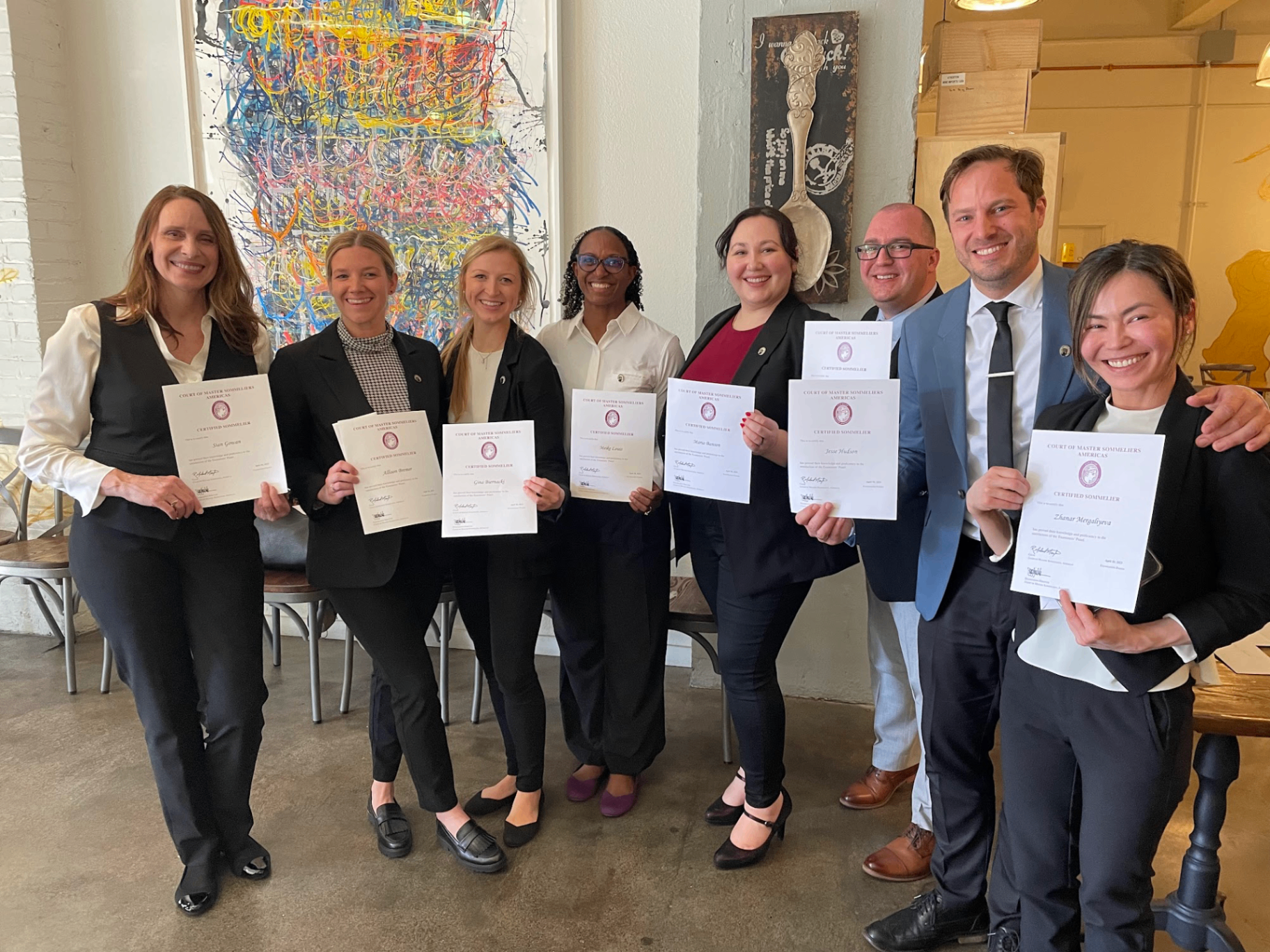
Court of Master Sommeliers, Certified
Completed the Certified Sommelier examination, joining a select group of wine professionals recognized for advanced expertise in wine knowledge, service, and blind tasting.
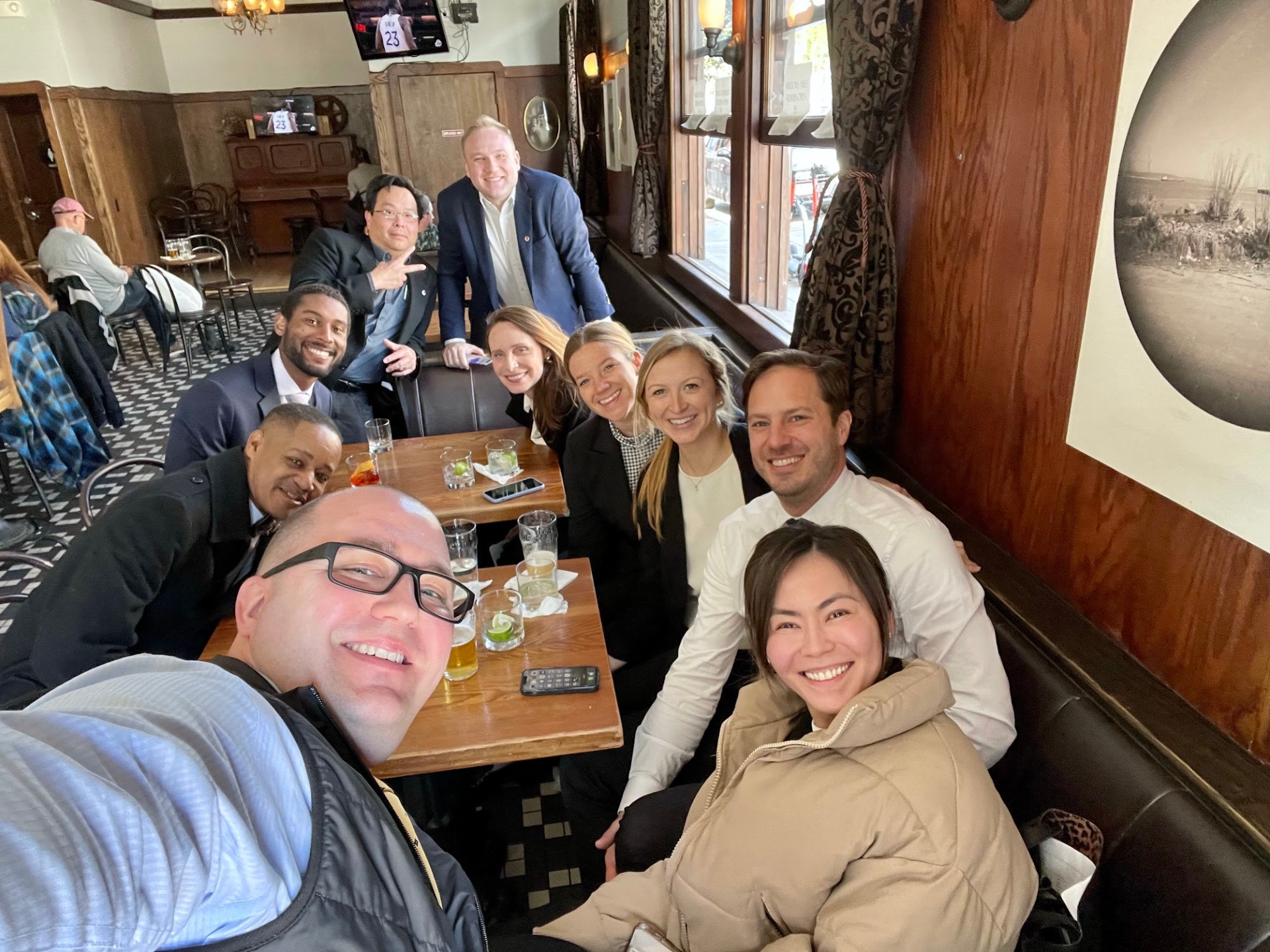
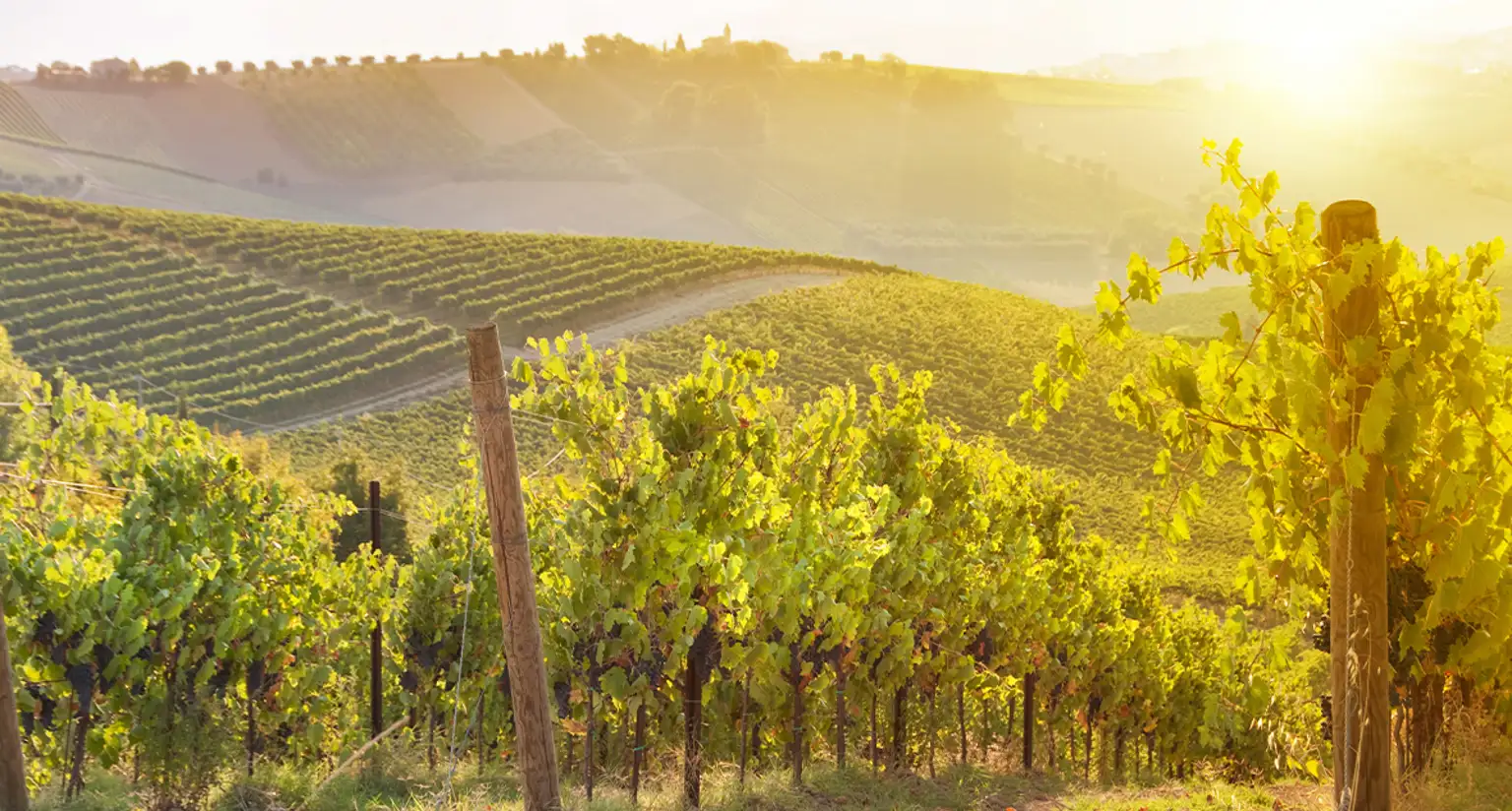
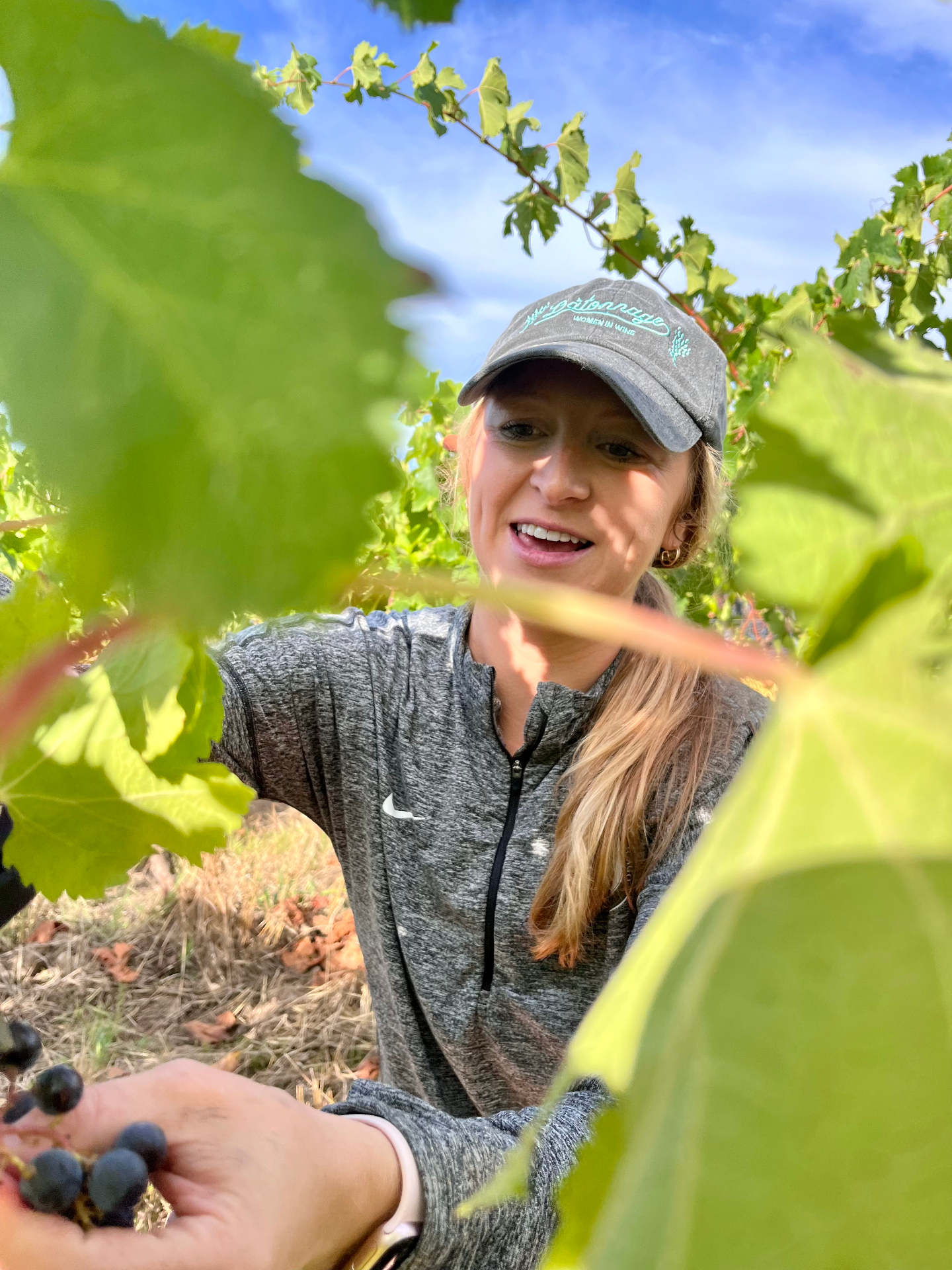
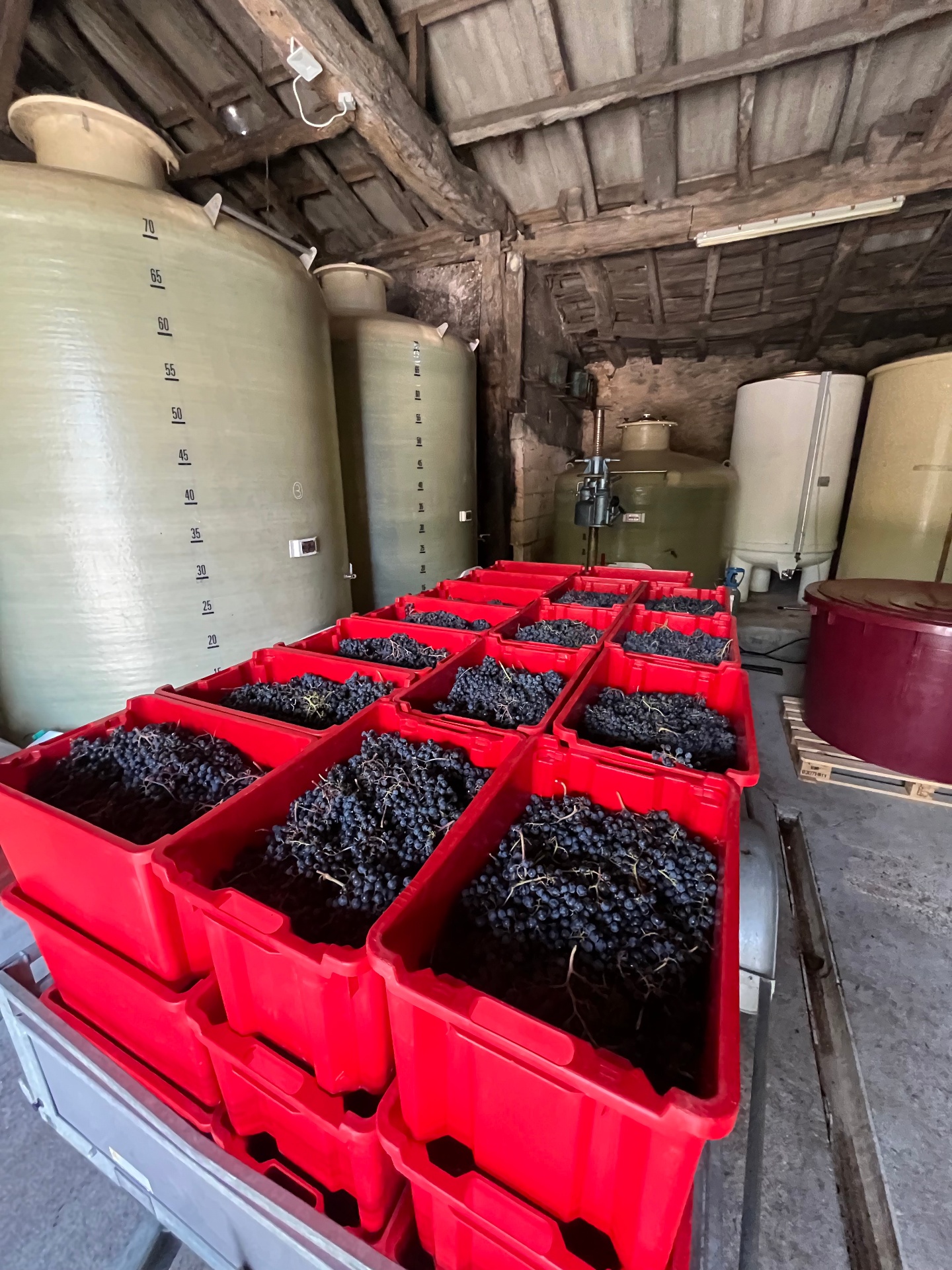
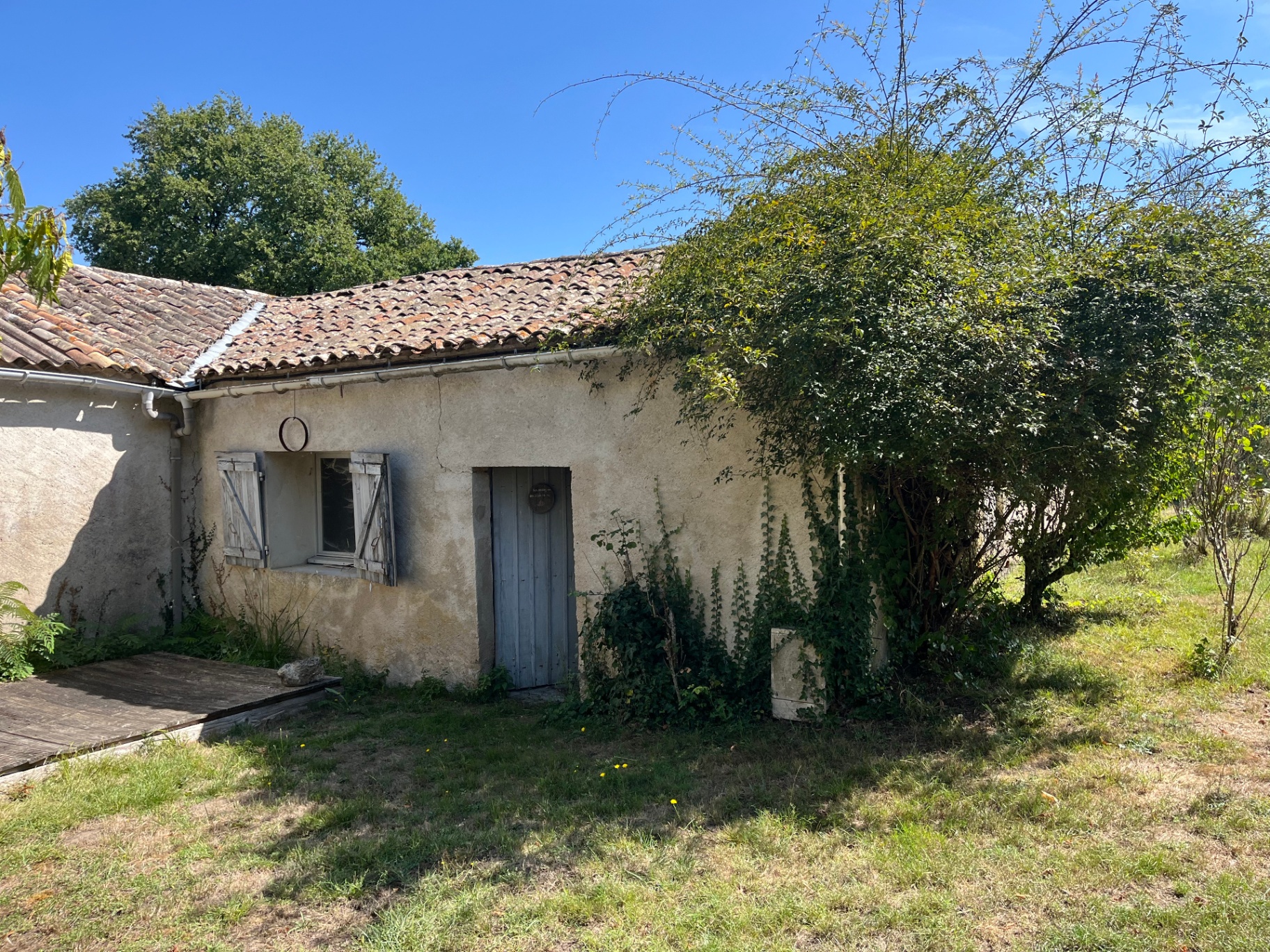
Working the Harvest in Bordeaux
Fulfilled a lifelong dream working the harvest with Puy Savage, a small producer in Bordeaux. Worked closely with the winemaker, picking grapes and contributing to the winemaking process.
Wine Industry & Events
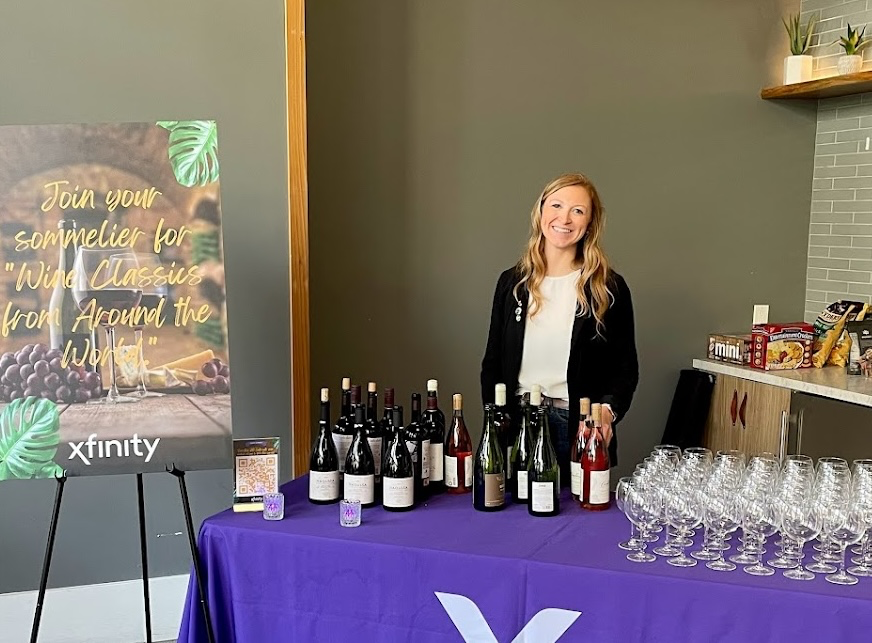
Contracting across SF wine, restaurant, and hospitality partners through pop-ups, private events, and corporate gatherings. Continued blind tasting practice with the SF sommeliers study group.
Work with Gina
Private tastings, corporate events, bread and wine pairings, and wine consulting throughout the San Francisco Bay Area.
From Our Events
Ready to explore?
Start with a game, browse the grapes, or ask the sommelier.
Sommplicity Premium
Unlock every level, every conversation, every pairing. Pocket sommelier, fully uncorked.
14-day free trial. Cancel anytime.
Free vs Premium
| Feature | Free | Premium |
|---|---|---|
| Grape Varietal Profiles | 10 grapes | ✓ All 30+ |
| Food Pairing Tool | 3/day | ✓ Unlimited |
| Pocket Sommelier (AI Chat) | 5 msgs/day | ✓ Unlimited |
| Daily Quiz | ✓ | ✓ |
| Interactive Learning Games | 1 play/day each | ✓ Unlimited |
| CMS & WSET Exam Prep | Locked | ✓ |
| Producer Profiles (2,700+) | Browse only | ✓ Full details |
| Wine Region Deep Dives | 5 regions | ✓ All regions |
| Blind Tasting Simulator | Locked | ✓ |
| Tasting Journal & History | ✓ | ✓ |
| Personalized Recommendations | Locked | ✓ |
| Premium Community Badge | Locked | ✓ |
Content built by a certified sommelier, sourced from references the wine world agrees on.
Questions
What happens after my trial ends?
Your card will be charged $4.99/month automatically. You can cancel anytime from your profile settings -- no questions, no hassle. If you cancel during the trial, you will not be charged.
Can I switch back to free?
Yes. Cancel your subscription and you will keep Premium access until the end of your current billing period. After that, you return to the free tier with no data lost.
Who writes the content?
All content is curated by Gina Biernacki, a Certified Sommelier (Court of Master Sommeliers, 2022) and WSET Level 3 holder with Distinction. Facts are cross-referenced against the Oxford Companion to Wine, Wine Grapes, and GuildSomm.
Is there a yearly plan?
Not yet, but it is on the roadmap. For now, monthly billing keeps things simple and commitment-free.
Do I need Premium for certification prep?
Yes. The CMS Certified Sommelier and WSET Level 3 prep modules -- including 1,000+ flashcards, study strategies, and AI quizzes -- are Premium features.
How do I contact support?
Email gina@somm-plicity.com. You will hear back within 24 hours on weekdays.
Have a promo code? Apply at checkout.
This page doesn't exist.
The page you were looking for may have moved, been renamed, or never existed. Here are some places to start.